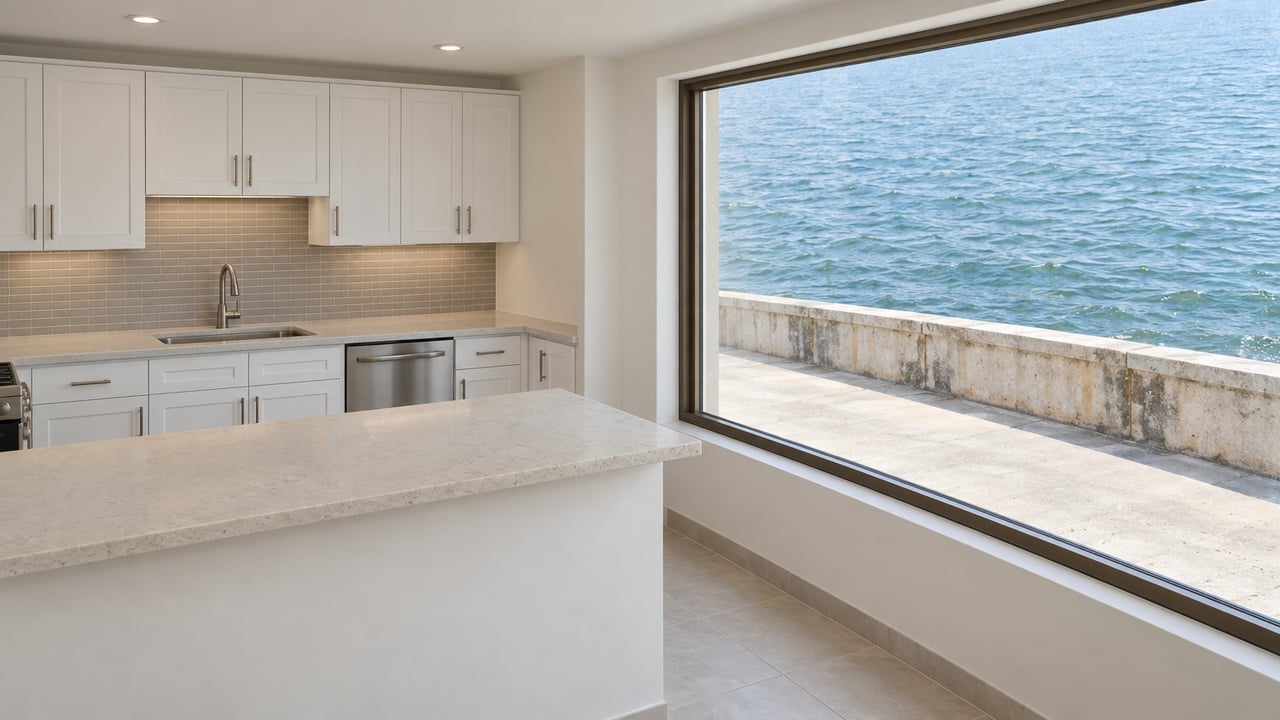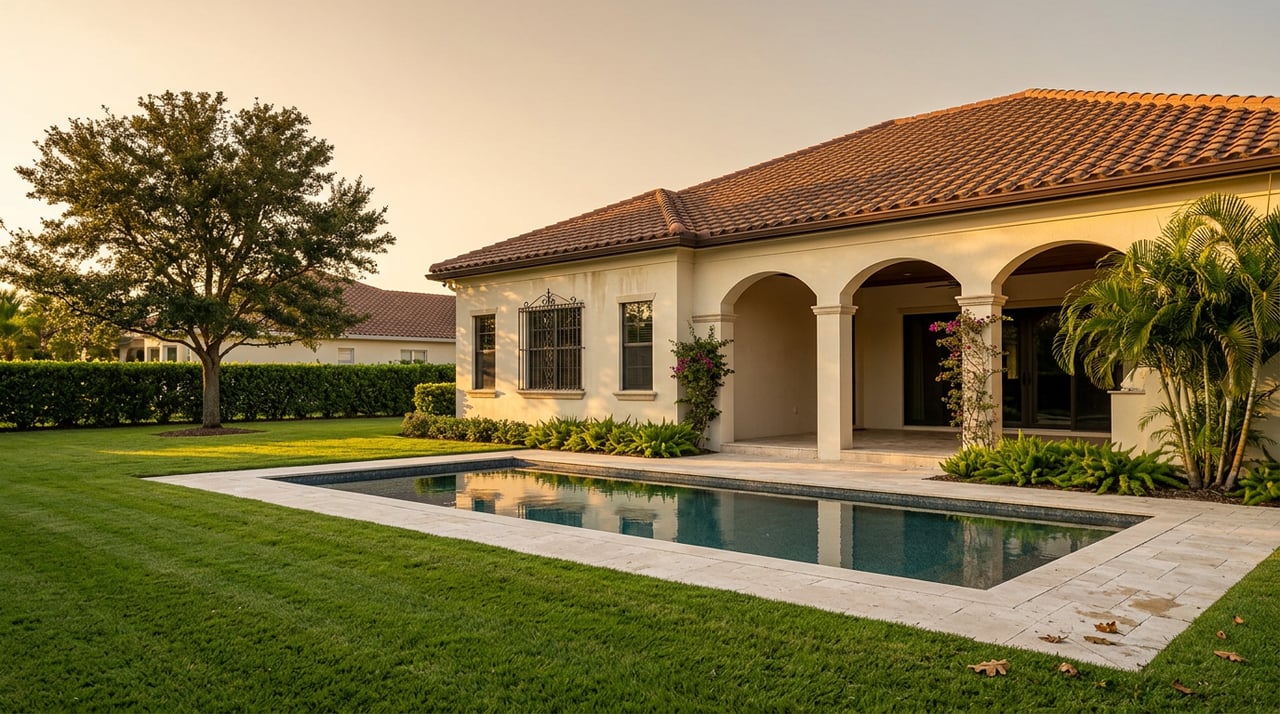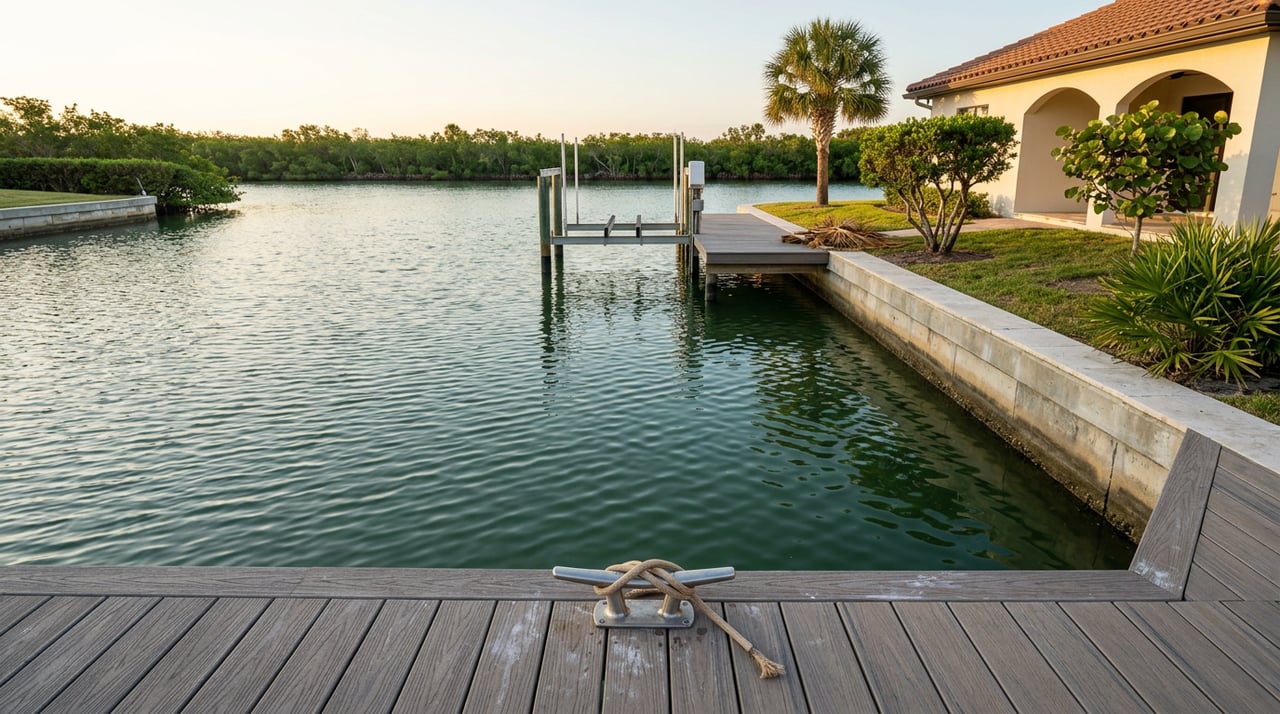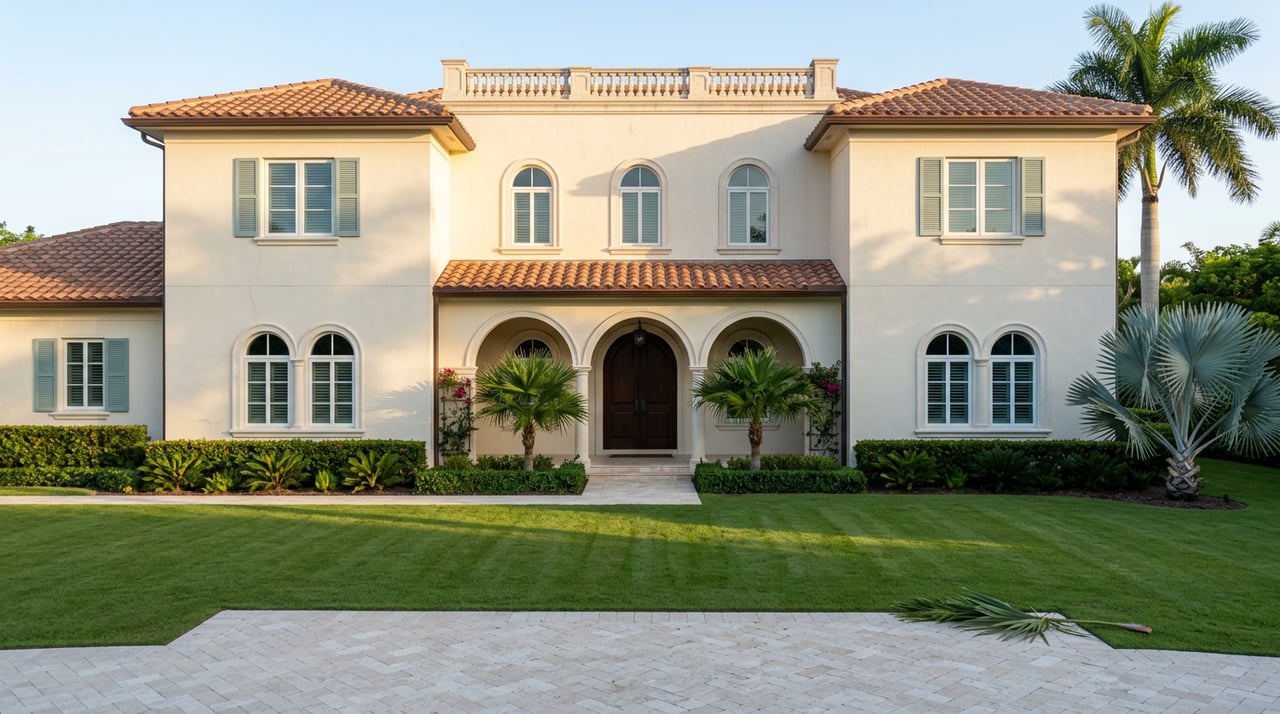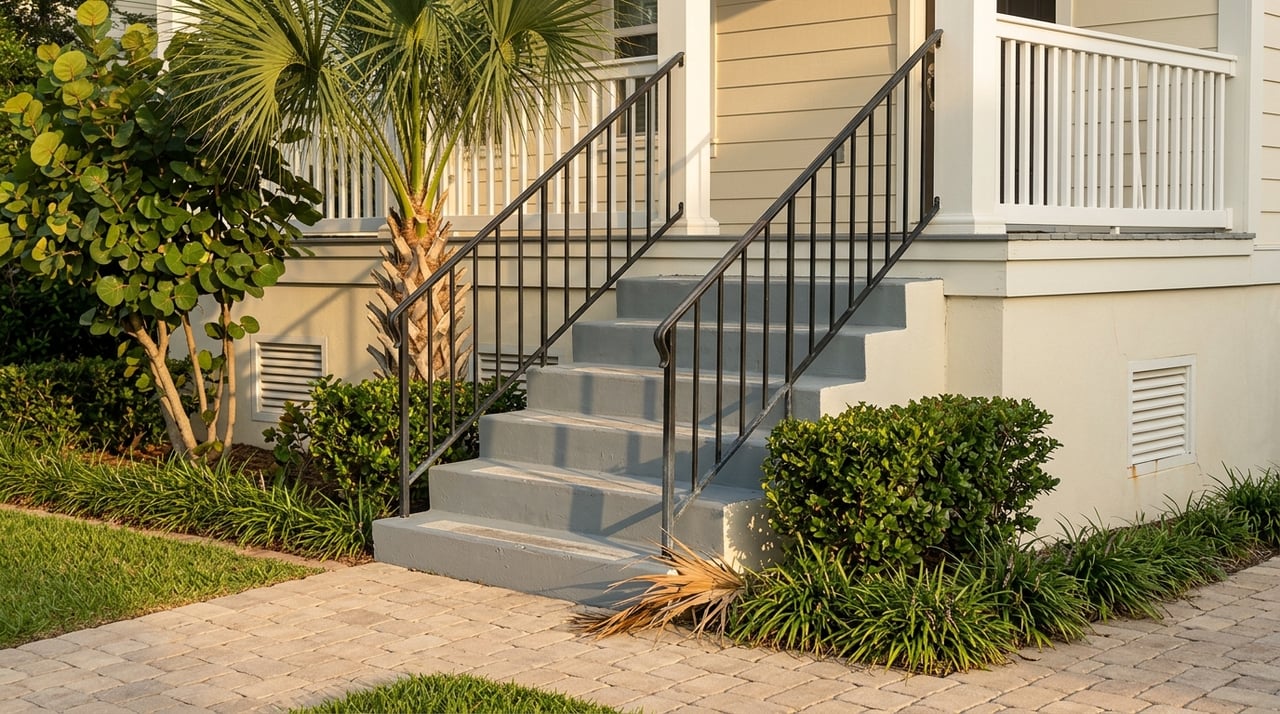
Two townhomes went under contract in Bonita Springs this summer, both listed within a few thousand dollars of $650,000, both built in the same decade, both roughly 2,400 square feet. The buyers on each deal did what buyers are supposed to do and got insurance quotes before closing. One came back around $4,800 a year. The other came back closer to $8,000. Same price. Same neighborhood. Same square footage. A $3,200 annual gap that had nothing to do with granite or curb appeal.
The difference lived in a document most buyers never ask to see until an underwriter demands it: the elevation certificate.
The number that actually moves your bill
Every property in a Special Flood Hazard Area has a Base Flood Elevation, the height FEMA calculates as the expected flood level in a serious storm. The City of Bonita Springs publishes a simple rule of thumb on its flood protection page: for every foot a home sits above that elevation, annual flood premiums tend to drop by close to half. For every foot below it, they tend to double.
That single number does more to set a Bonita Springs home's real carrying cost than the finishes, the lot, or even which side of a canal it sits on.
| Elevation relative to BFE | Typical effect on flood premium |
|---|---|
| 1 foot above | roughly 50% lower |
| At BFE | baseline rate |
| 1 foot below | roughly double |
Two identically priced homes a few streets apart can land on opposite ends of that table depending on when they were built, how the slab was poured, and whether a prior owner ever pulled a permit to raise it. A buyer comparing listings by price per square foot is comparing the wrong variable.
A city line that runs through a county line
Here's a wrinkle that surprises even people who have lived in Bonita Springs for years. Bonita Shores, the pocket south of Bonita Beach Road and west of Vanderbilt Drive, carries a Bonita Springs address but is actually platted under Collier County's flood maps, not Lee County's. Anyone shopping that stretch needs to pull the Collier County flood map rather than the Lee County one, or they're checking the wrong document entirely.
It's a small detail with a real consequence: two homes that look like they're in the same market, sharing a mailing address and a school zone, can be governed by two different flood-zone authorities with two different mapping updates and two different premium schedules.
The discount that only exists because the city fought for it
In 2024, FEMA notified Bonita Springs and several other Lee County municipalities that it planned to downgrade the region's Community Rating System status, the framework that determines how much of a discount residents get on National Flood Insurance Program premiums. The city spent months assembling documentation and appealing the decision. FEMA agreed to maintain Bonita Springs' Class 5 rating, which keeps the 25% NFIP policyholder discount in place for residents inside city limits.
That discount is not automatic everywhere nearby. It's tied to the city's own floodplain management record, which means a home just outside the municipal boundary, in unincorporated Lee County, isn't covered by the same rating and doesn't carry the same built-in discount. Buyers comparing a Bonita Springs city-limits address against something a few miles out are, again, comparing two different cost structures that happen to look similar on a spec sheet.
The state grant that quietly favors the older, cheaper home
Florida's My Safe Florida Home program offers a matching grant toward hurricane-hardening upgrades like impact windows, roof-deck attachment, and garage door reinforcement. The state contributes $2 for every $1 a homeowner puts in, up to $10,000 in total state funds. It sounds like something every Bonita Springs buyer should chase. It isn't.
The program's eligibility rules cut a specific line through the housing stock. To qualify, a home generally needs a building permit issued before January 1, 2008, and an insured value of $700,000 or less. Household income caps for the 2026 cycle run roughly $150,000 to $200,000 depending on county and family size.
That combination quietly tilts the benefit toward older, more modestly valued, typically inland homes and away from newer coastal construction and higher-value waterfront properties, exactly the kind of homes a buyer moving to Bonita Springs for the water view is most likely to be shopping. A buyer weighing a 2005 inland single-family home against a newer $850,000 canal-front build isn't just weighing price and finishes. One of those homes may come with a path to $10,000 in matching state funds toward storm hardening. The other doesn't.
Why the median price you saw last week doesn't match the one you're seeing today
Check two different sources for Bonita Springs' median price this month and you'll get two different answers, and both can be right at the same time. As of August 2026, homes actively listed for sale carried a median asking price around $649,000. A separate look at the broader market published in mid-August 2026 put the overall median sale price closer to $570,000, with new-construction listings specifically running higher, around $597,000.
Those aren't contradictory numbers. They're measuring different things: what sellers are asking right now versus what buyers actually closed at, and a resale market blended with a new-construction slice that carries its own premium. Neither number factors in the elevation certificate, the flood zone, or the CRS discount at all. A median price describes what half the market is asking or has paid. It says nothing about which of those homes will cost $4,800 a year to insure and which will cost $8,000.
What the pricing behavior tells you about buyer caution
A mid-2026 look at cash-heavy transactions in the Bonita Springs area found a sharp split in how listings perform depending on how they're priced. Homes priced close to recent comparable sales were absorbing in well under 35 days. Homes priced at what the report called aspirational levels were sitting closer to 137 days on market, and when those stale listings finally sold, the final price ran about 12.6% below the original ask.
Part of that gap is ordinary pricing discipline. But in a market where insurance and flood exposure can swing a buyer's true monthly cost by hundreds of dollars, an overpriced listing has less room to absorb a bad insurance surprise. A buyer who gets a quote back higher than expected on a home that's already stretching their budget is far more likely to walk, renegotiate, or wait out the seller. That's a meaningful reason sellers who skip the insurance conversation before listing tend to sit longer.
What to actually ask for before you write an offer
- The elevation certificate, if one exists, showing the home's height relative to Base Flood Elevation
- Confirmation of which county's flood map governs the parcel, especially near Bonita Shores or any boundary-adjacent address
- Whether the home falls inside Bonita Springs city limits, where the CRS discount applies, or in an unincorporated pocket that doesn't carry it
- The home's original permit date and current insured value, to check basic My Safe Florida Home eligibility
- An actual insurance quote, not an estimate, before any contingency deadline passes
None of this shows up on a listing sheet. All of it shows up on the closing statement.
A few questions worth settling early
Does Flood Zone X mean I don't need flood insurance? It means a lender likely won't require it. It doesn't mean the risk is zero, and Zone X properties still file flood claims. Many owners in lower-risk zones carry a policy anyway because the premiums in those zones tend to be modest.
Who orders an elevation certificate, and can I get one before I buy? A licensed surveyor produces it. Sellers sometimes already have one on file from a prior insurance application or permit. If not, a buyer can request one during due diligence, and the cost is usually small compared to what it can reveal about future premiums.
How do I check whether a Bonita Springs address is really governed by Lee or Collier County's flood map? The FEMA Flood Map Service Center lets you search any address directly and see which jurisdiction's current map applies, which settles the Bonita Shores question address by address rather than by assumption.
Is the My Safe Florida Home grant worth chasing on a newer home? If the home was permitted after 2008 or the insured value runs above $700,000, it likely won't qualify under current rules. Confirming eligibility before assuming a hardening upgrade will be subsidized saves a disappointing surprise later.
None of these questions have a generic answer. They depend on the specific parcel, the specific elevation, and the specific paperwork attached to that one address. That's the whole point. A median price can tell you what half the market is asking. It can't tell you what your specific home will cost to insure, harden, or hold onto through the next storm season.
If you're comparing Bonita Springs properties and want someone to pull the elevation certificate, check the flood zone, and run the real numbers before you fall for a listing photo, Jason Armstead can walk through the specific carrying costs on any address you're considering. Get your free home valuation and start with the numbers that actually matter.