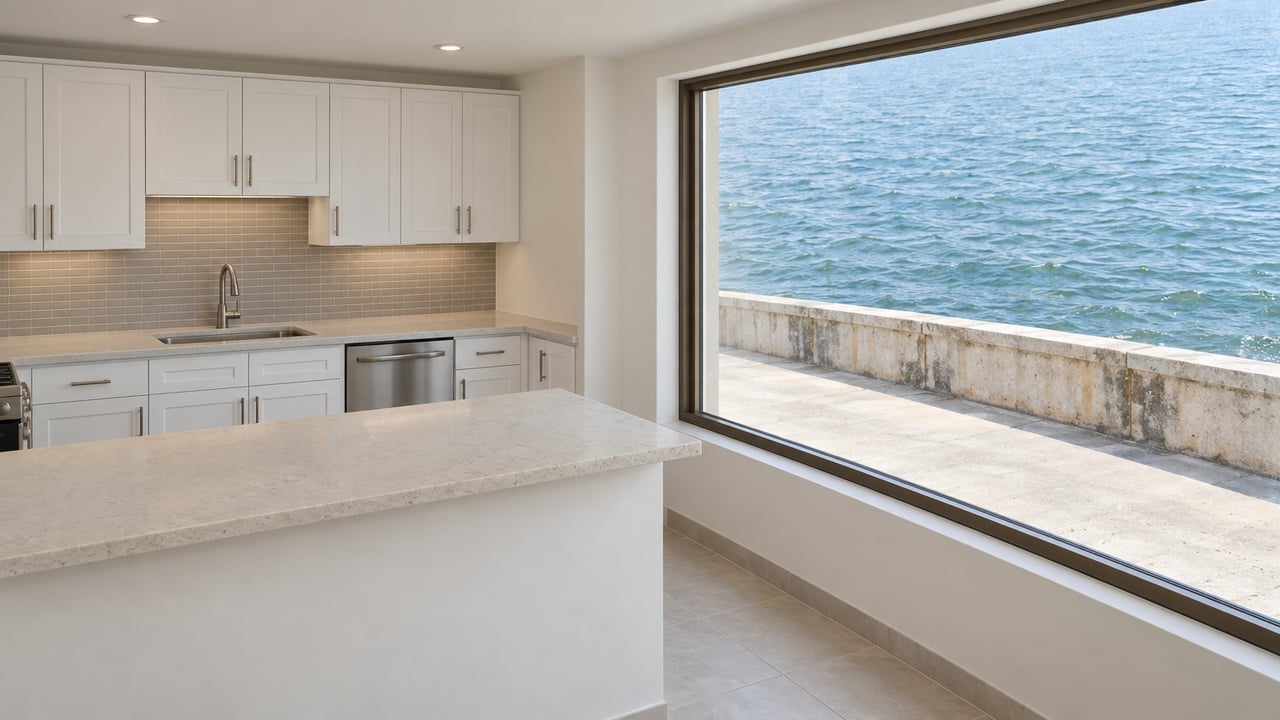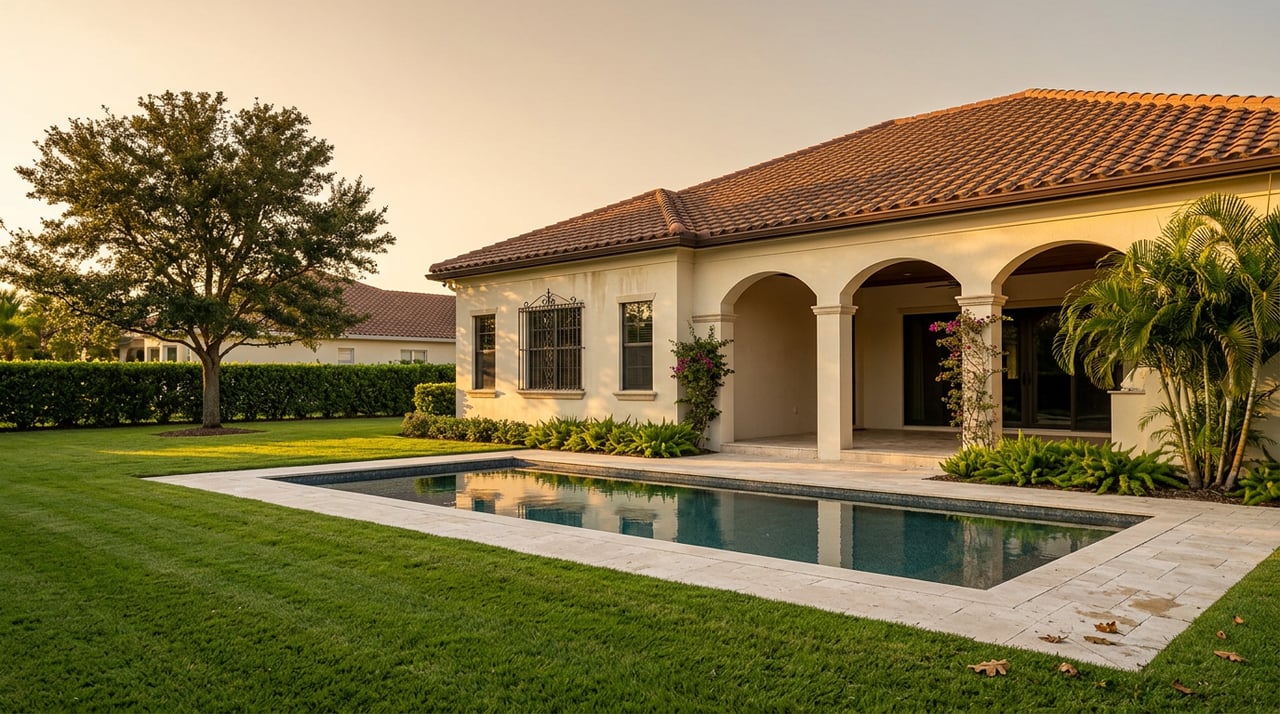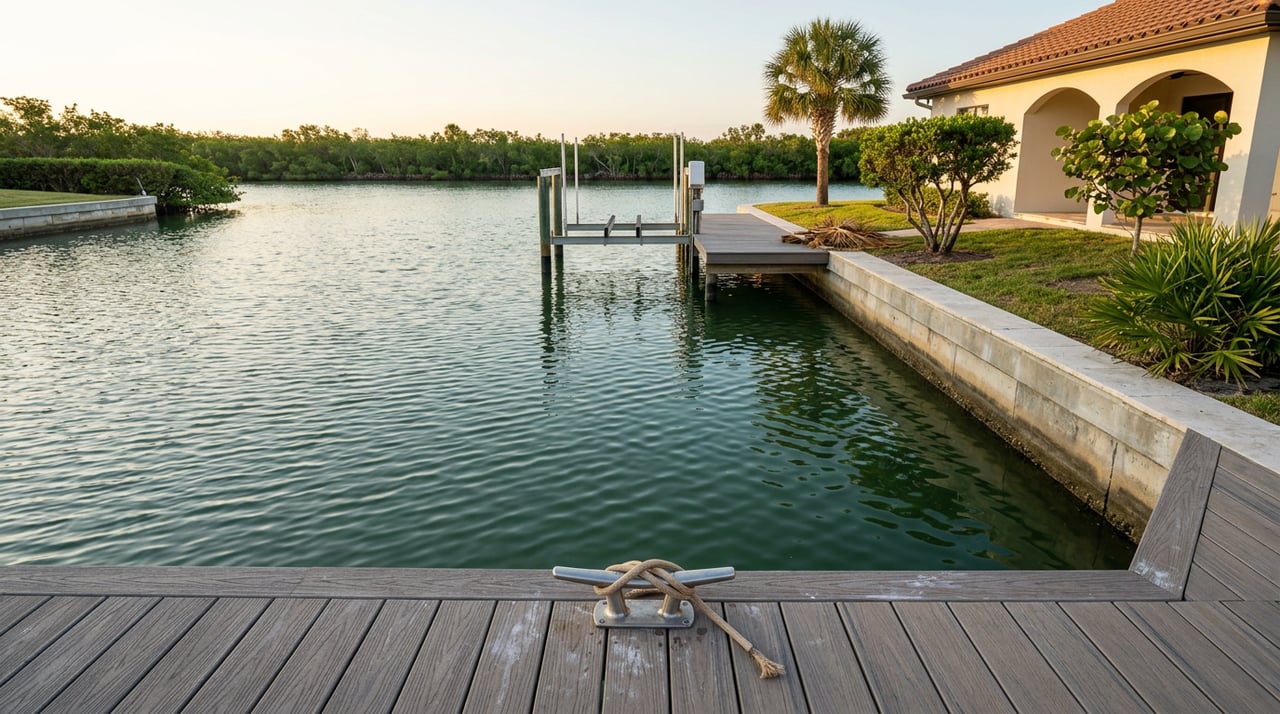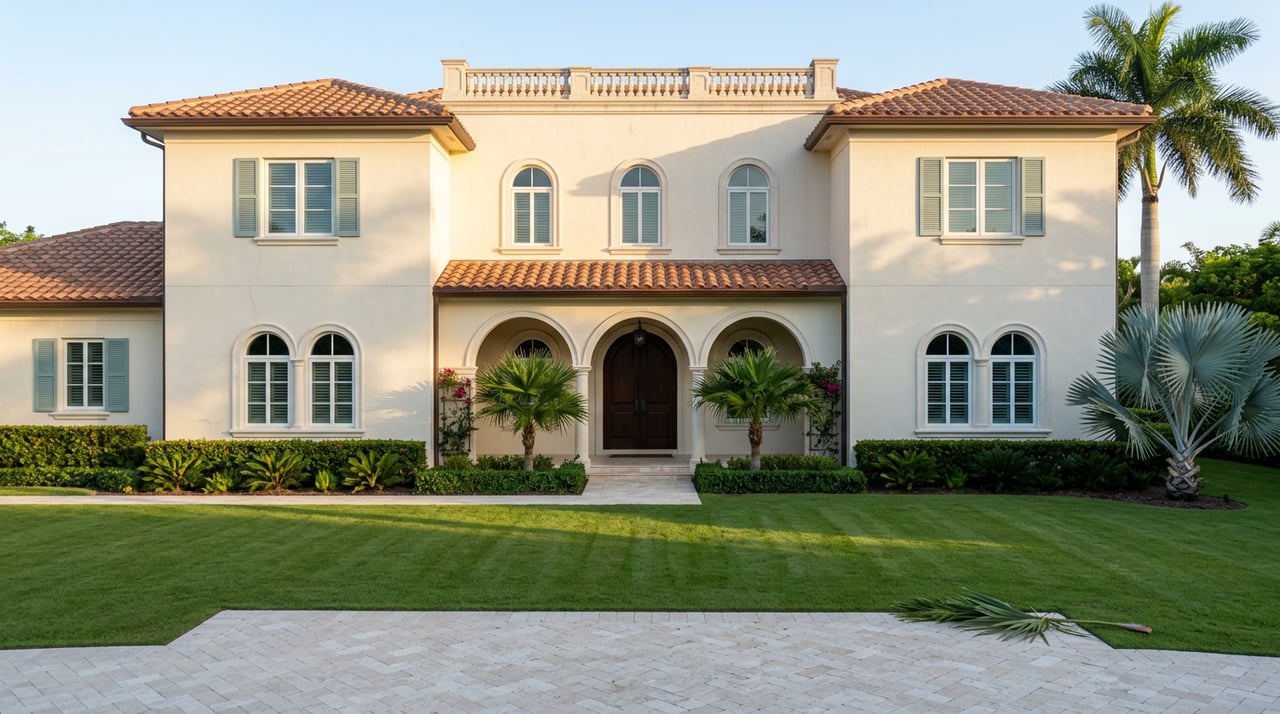
"This is my final home."
Phil McCabe said that in May, standing in the 9,000-square-foot Beach House he'd just closed on at Naples Beach Club, a Four Seasons Resort. He'd owned eleven homes in Naples over the years. This one, north of the new hotel on Gulf Shore Boulevard, is the one he's not trading up from. He paid more than $20 million for it.
That same month, a few miles inland, condo owners in older buildings across Naples were opening envelopes with a very different kind of number in them. Some special assessments have run into six figures. The difference between McCabe's closing and those envelopes isn't taste, and it isn't location. It's a single regulatory deadline that quietly went into effect on January 1 of this year, and it's doing more to set prices in Naples right now than any zip code.
Two Markets, One Misleading Average
If you've been pricing out Naples from a portal search, you've probably run into a contradiction. One site tells you the average home value is somewhere near $549,000. Another says the median sale price over the last three months was $1.3 million. A third, pulling from Naples Area Board of Realtors data, puts single-family homes at a median near $750,000, up roughly 7.6 percent over the past year, with active listings down 22 to 24 percent. That same source puts condos at a median near $450,000, down about 8 percent, with supply now running seven to ten months.
That spread isn't a data error. It's the headline. Naples in 2026 isn't one market quietly cooling. It's two markets moving in opposite directions at the same time, and the average of the two tells you almost nothing about what you're actually going to pay for either one.
Single-family homes are behaving like a market with too little to sell: prices climbing, inventory shrinking, homes still moving in weeks in the tightest pockets. Condos are behaving like a market working through a hangover: prices softening, listings sitting for months, buyers negotiating in ways they haven't been able to in years. If you're comparing a condo against a house on the same budget, you're not comparing two flavors of the same market. You're comparing a seller's market to a buyer's market, and the line between them runs through property type, not geography.
The Deadline Nobody Put On A Postcard
Here's the part that doesn't show up in a portal listing. Florida's condo safety reforms, passed in the years after the 2021 Surfside collapse, gave associations a grace period to get their financial houses in order. That grace period ended January 1, 2026.
Under the law, associations can no longer vote to waive or underfund reserves for eight structural components: roof, load-bearing walls and primary structural members, fire protection, plumbing, electrical, waterproofing, windows and exterior doors, and any other item with a deferred-maintenance cost over $10,000. Buildings three habitable stories or taller must also complete a milestone structural inspection once they hit 30 years old, with local building officials able to require it sooner in some jurisdictions.
For decades, plenty of associations kept dues low by voting to waive those reserves year after year. That option disappeared for any budget adopted after December 31, 2024, and full funding became mandatory this January. Boards that spent years deferring the math are now catching up all at once, through higher monthly assessments, one-time special assessments, or both. Insurers have noticed too. Citizens Property Insurance and a growing number of private carriers now decline to write or renew policies for buildings that haven't completed their milestone inspection and reserve study.
That's the actual mechanism behind the condo softening. It's not that buyers suddenly stopped wanting condos in Naples. It's that a specific class of older buildings just became measurably more expensive to own, and the market is pricing that in.
What Your Money Buys, Street By Street
Property type is one split. Geography is the other, and it still matters inside the single-family category. Naples brokers commonly describe the market as divided along US-41, the Tamiami Trail, with land scarcity west of the road pushing single-family prices up regardless of what condos are doing.
Here's how that plays out in price per square foot, using recent three-month sales windows for a few submarkets:
| Submarket | Price per square foot | Year-over-year change | Period |
|---|---|---|---|
| Old Naples | $930 | up 0.3% | through June 2026 |
| Park Shore | $693 | up 7.9% | through May 2026 |
| South Naples / Lely Resort | $283 | up 5.2% | through June 2026 |
Port Royal, the most exclusive slice of Old Naples, ran a median sale price around $16 to 17 million last year, according to local brokerage market reporting. That's not a typo. It's a reminder that "Naples" as a single search term covers everything from a $283-per-square-foot starter home in South Naples to a nine-figure estate a few miles away.
But notice something in that table. Every one of those submarkets is climbing, including the most land-constrained and expensive one. That's consistent with the single-family story: scarce land, scarce inventory, prices holding or rising almost everywhere west and east of the Trail. The divergence isn't between neighborhoods. It's between what's attached to a deed for a house and what's attached to a share in a condo association's balance sheet.
What To Ask For Before You Write An Offer
If you're weighing a Naples condo against a Naples house right now, the square footage and the view matter less than a handful of documents most buyers never think to request until it's almost too late.
- The full Structural Integrity Reserve Study, not just the summary page
- Confirmation of whether the building has completed its required milestone inspection
- Whether the association's reserves are fully funded under the study or still catching up
- The last twelve months of board meeting minutes, for any hint of a special assessment in discussion
- Current insurance status, since a lapsed or unrenewed master policy can stall your financing before it starts
Florida law entitles a prospective buyer to a copy of the milestone inspection summary and the SIRS, or a written statement that neither exists yet. Ask for both before you get emotionally attached to a unit. A building that's already done this work and fully funded its reserves is, in this market, a genuinely different asset than one that hasn't, even if the two units look identical on a floor plan.
Why New Construction Is Playing By Different Rules
This is also why a project like Naples Beach Club is holding value while older stock corrects. The 153 residences there, 58 Beachside and 95 Golfside, are new construction built to current code, with closings that only began this May. There's no deferred maintenance to catch up on and no decade of waived reserves to unwind. Golfside units are still available starting around $6.5 million, with deliveries phasing through 2028, while the Beachside inventory is largely spoken for.
That's not a story about brand cachet. It's the same mechanism working in the buyer's favor. A newly built, fully compliant building doesn't carry the reserve-funding risk that's currently repricing older condos across the city, and buyers are willing to pay for that certainty.
So Which Naples Are You Actually Buying Into
The median price you see quoted for Naples is an average of two very different stories: a single-family market that's tight and still appreciating, and a condo market working through the first real bill for years of deferred reserve funding. Neither number alone tells you what you'll pay for a specific address. The reserve study does.
Before you compare a condo to a house on price alone, find out which market that specific building belongs to. A well-funded building with its milestone inspection behind it is a fundamentally different purchase than one still catching up, no matter what the listing price says.
A few questions worth settling early
Does every condo in Naples need a milestone inspection? Only buildings three or more habitable stories in height. Single-family homes and smaller multifamily buildings are exempt from this requirement.
What if the seller can't produce a SIRS yet? Some associations are still finishing theirs. Ask for a written statement confirming that, and factor the uncertainty into your offer and your timeline, since a Phase 2 inspection or a newly discovered funding gap can change the numbers after you're under contract.
Is this only happening in high-rise coastal buildings? The reserve funding requirement applies broadly to associations statewide, but the dollar amounts scale with a building's age, height, and the scope of its structural components, so a smaller mid-rise can face this too.
If you're trying to figure out which side of this split your target property falls on, or what a specific Naples building's reserve funding actually looks like, that's exactly the kind of digging I do before a client ever writes an offer. Reach out to Jason Armstead and let's get your free home valuation, or talk through what a specific address is really worth once you know its full financial picture.