If you have ever wondered whether Marco Island feels like a vacation every day, the honest answer is yes, but not in the way most people imagine. Daily life here is not all postcards and sunsets. It is also grocery runs, morning walks, beach rules, weather checks, community events, and the simple rhythm of living close to the water. If you are thinking about moving here, buying a second home, or just trying to picture the lifestyle, this guide will help you understand what day-to-day life on Marco Island really looks like. Let’s dive in.
Marco Island Has a Two-Speed Rhythm
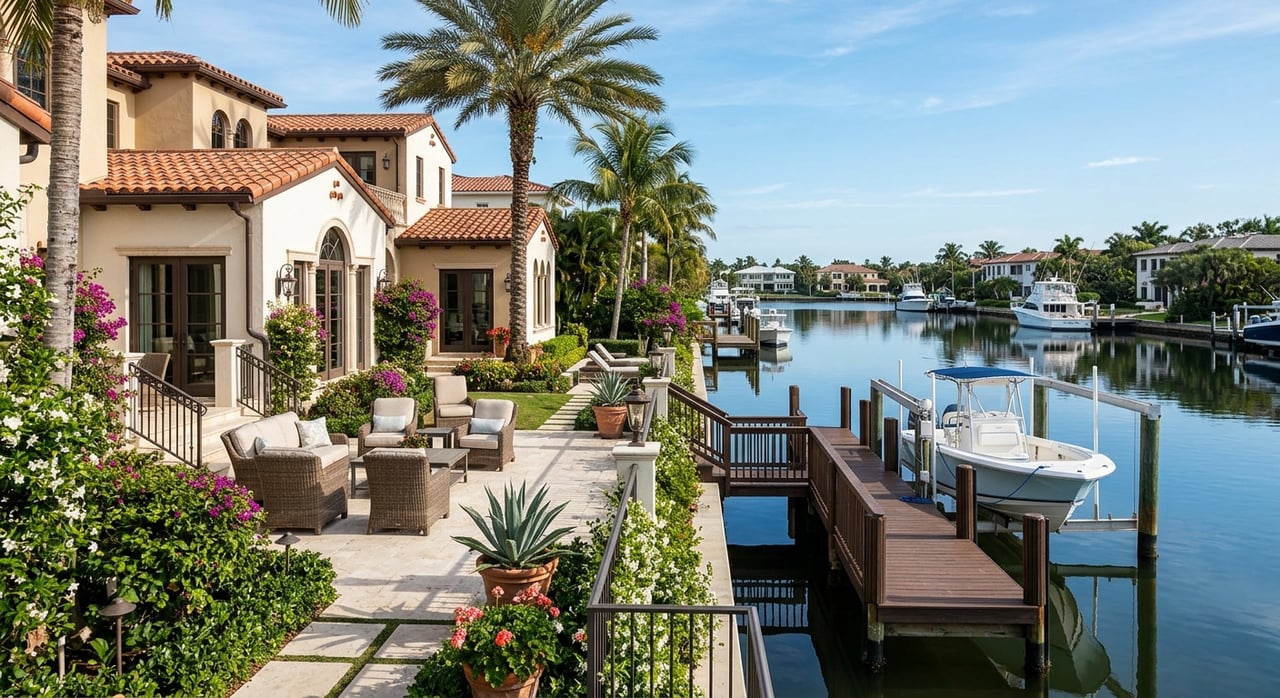
Marco Island is a 24-square-mile barrier island with six miles of beach and more than 100 miles of waterways. That gives everyday life a strong connection to the coast, whether you are heading to the beach, taking a boat out, or just planning your day around the weather.
The island also shifts with the seasons. The permanent population is about 16,521, but the winter season population can climb to around 40,000. In practical terms, that means you may notice a quieter, more local feel outside peak season and a busier pace when winter visitors and seasonal owners return.
The climate adds to that rhythm. The city describes Marco Island as subtropical to tropical, with a wet season from June through October. For you, that often means sunny mornings, afternoon storms in parts of the year, and a lifestyle that naturally leans outdoors whenever the weather cooperates.
Beach Time Is Part of Real Life
On Marco Island, the beach is not just something you visit once in a while. It becomes part of your weekly or even daily routine. Some residents start the day with a walk near the water, while others plan a late afternoon stop to catch the breeze before dinner.
South Marco Beach is one of those practical, everyday amenities that shapes island living. It offers sunrise-to-sundown access, restroom access, and 70 parking spaces, with either a $10 parking fee or a beach parking permit. That makes it feel accessible, but still structured enough that you learn the local routine pretty quickly.
Tigertail Beach adds even more day-to-day convenience. It has bath-house facilities, five boardwalks, concessions, rentals, food and drinks, a beach wheelchair, and 226 regular parking spaces plus 6 handicap spaces. For many people, that mix of natural beauty and practical infrastructure is a big part of what makes Marco Island comfortable to live on, not just visit.
Nature Shapes the Routine
Living near the beach also means living with a strong respect for the natural environment. Sea turtle nesting season runs from May 1 through October 31, and shorebird nesting season runs from March 1 through September 1. During those months, you are more aware of lighting, posted areas, and how your evening habits affect the shoreline.
The city reminds residents to keep beach lighting dark or shaded by 9 p.m. during nesting season. The city also prohibits feeding wildlife, and live shell collection is not allowed in county parks. These are not just visitor reminders. They are part of what it means to live in a coastal place where nature is close and protected.
Weather awareness becomes part of the routine too. Water quality is monitored, and a lightning alert system operates seven days a week from 8 a.m. to 9 p.m. So even on a casual beach day, locals tend to keep one eye on the sky.
Boating Is Woven Into Island Life
You do not have to own a boat to feel Marco Island’s boating culture. Water access is part of the local identity, and it influences everything from weekend plans to where people like to dine and explore.
Caxambas Pass Park & Marina is one of the island’s public water-access points, with parking, concessions, fuel, fishing gear, and boating and safety classes. It also serves as a launch point toward the northern Ten Thousand Islands and the Gulf of Mexico. That kind of access makes the water feel less like a special occasion and more like an extension of everyday life.
Rose Marina adds another layer to that experience. It is known as the island’s largest fishing and eco-tour charter fleet and is home to the Hemingway Water Shuttle to Keewaydin Island and other nearby spots. For many residents and second-home owners, that means easy options for getting out on the water without having to plan an elaborate trip.
Parks Make Daily Life Feel Grounded
One of the biggest surprises for some buyers is how much of Marco Island life happens away from the beach. The city has a strong network of parks and recreation spaces that support the everyday side of island living.
Veterans Community Park is a great example. It includes bocce courts, a farmers market, picnic space, an open field area, a walking path, special events, and a veterans memorial. It is the kind of place that helps a resort-style destination feel like a real community.
Frank E. Mackle Park offers another layer of activity. You will find basketball, bocce, fishing, playgrounds, shuffleboard, soccer and football, volleyball, a teen center, a walking path, and a water spray park. For full-time residents, these spaces support regular routines like exercise, outdoor play, and weekend meetups.
Smaller spaces matter too. Calusa Park is a half-mile linear greenbelt with a butterfly garden and food forest, and the Racquet Center offers year-round tennis and pickleball. If you have a dog, Canine Cove provides an off-leash park open from 8 a.m. until dusk with separate areas for small and large dogs.
Errands Still Exist, Just in a Better Setting
Daily life on Marco Island is scenic, but it is still daily life. You still need to run errands, check out books, and handle practical tasks. The difference is that many of those routines happen in a smaller, more community-oriented setting.
The Marco Island Branch of the Collier County Public Library is located at 210 S. Heathwood Dr. Collier County residents can obtain free beach parking stickers there, and the library system also offers reciprocal borrowing through the Southwest Florida Library Network. That small detail says a lot about life here. The island may look like a getaway, but it functions like a real hometown.
Transportation is also broader than some people expect. Collier Area Transit provides fixed-route, express, ADA, and paratransit service to Marco Island. The city was also designated a Florida Trail Town in 2025, reflecting how residents use trails to reach work, schools, parks, and shops.
Getting Around Can Be Simple
Because Marco Island is compact, many everyday trips feel short and manageable. Depending on where you live, a quick bike ride, walk, or short drive may be enough to get you to a park, a local errand, or a waterfront meal.
That convenience can become a real quality-of-life factor. Instead of spending large chunks of your day commuting across a sprawling area, you may find yourself moving through a smaller loop of familiar places. For many buyers, especially those relocating from larger metro areas, that slower and simpler pattern is part of the appeal.
Dining Leans Casual and Scenic
Marco Island is not defined by a dense urban nightlife scene. Instead, dining tends to center on the water, the weather, and the view. That gives evenings a more relaxed, coastal tone.
Local restaurant listings highlight spots like CJ’s on the Bay, The Oyster Society, Quinn’s on the Beach, Sunset Grille, and Dolphin Tiki Bar and Cafe on Marco Bay. These places are known for combinations of seafood, waterfront views, beach access, live music, or boat access. In real life, that often means dinner feels more like a continuation of the day outdoors than a formal event.
For you, that can shape the way the whole week feels. A casual meal by the water on a Tuesday may not seem unusual after a while. That is part of the lifestyle shift many people notice when they spend enough time on the island.
The Social Calendar Feels Local
Even with its resort reputation, Marco Island has a real community calendar. Events and gatherings give residents regular opportunities to connect in familiar places.
The farmers market at Veterans Community Park is one example of that local rhythm. The city also notes recurring events and gatherings such as concerts, holiday celebrations, Veterans Day and Memorial Day ceremonies, and the Seafood Festival. These events help create a sense of place that goes beyond beaches and boating.
There is also a practical, community-minded side to local involvement. The beach and coastal advisory committee publishes a monthly cleanup schedule, which reflects how many residents stay connected to the island through stewardship as much as recreation.
What Daily Life Feels Like Overall
At its core, daily life on Marco Island feels relaxed, outdoor-oriented, and closely tied to the seasons. You have access to beaches, waterways, parks, and scenic dining, but you also learn the patterns that locals live with every day, like winter crowds, summer weather, nesting-season rules, and the rhythm of a smaller island community.
That balance is what makes Marco Island distinctive. It is beautiful, but it is also functional. It offers natural surroundings and resort-style scenery, while still supporting the ordinary routines that turn a destination into home.
If you are considering a move, a second home, or a lifestyle change in Southwest Florida, understanding the day-to-day picture matters just as much as seeing the view. When you know how a place actually lives, you can make a more confident real estate decision.
If you want help exploring Marco Island neighborhoods, comparing property types, or finding a home that fits the lifestyle you want, connect with Jason Armstead for personalized, concierge-level guidance.
FAQs
What is daily life like for full-time residents on Marco Island?
- Daily life on Marco Island often includes beach access, outdoor recreation, local errands, park visits, and a seasonal rhythm that feels quieter outside winter and busier during peak season.
How busy does Marco Island get during the winter season?
- The city reports a permanent population of 16,521, while the winter seasonal population can peak around 40,000, so roads, beaches, and restaurants may feel noticeably busier during that time.
What beach access options do residents use on Marco Island?
- Residents commonly use South Marco Beach and Tigertail Beach, which offer amenities such as parking, restrooms, boardwalks, concessions, and sunrise-to-sundown access.
What outdoor activities are part of everyday life on Marco Island?
- Common day-to-day activities include walking the beach, boating, fishing, visiting parks, playing tennis or pickleball, using walking paths, and spending time at dog-friendly and family-friendly recreation areas.
What wildlife rules should Marco Island residents know?
- Residents should know that sea turtle nesting season runs from May 1 to October 31, shorebird nesting season runs from March 1 to September 1, feeding wildlife is prohibited, and beach lighting should be dark or shaded by 9 p.m. during nesting season.
Is Marco Island only for vacation living, or does it function like a real community?
- Marco Island has a strong everyday community feel, with places like the public library, parks, trails, transit service, farmers market, and recurring local events supporting regular resident life.