Beach at your doorstep or your boat in the backyard? On Marco Island, both choices deliver a true waterfront lifestyle, but they live very differently day to day. If you are weighing a beachfront condo against a canal or bayfront home, you want clear, local context before you decide.
In this guide, you will compare lifestyle, pricing, ownership and HOA details, boating access, flood and insurance considerations, and rental rules. You will also get a quick matching checklist to point you toward the right fit. Let’s dive in.
Beachfront living on Marco Island
What beachfront offers
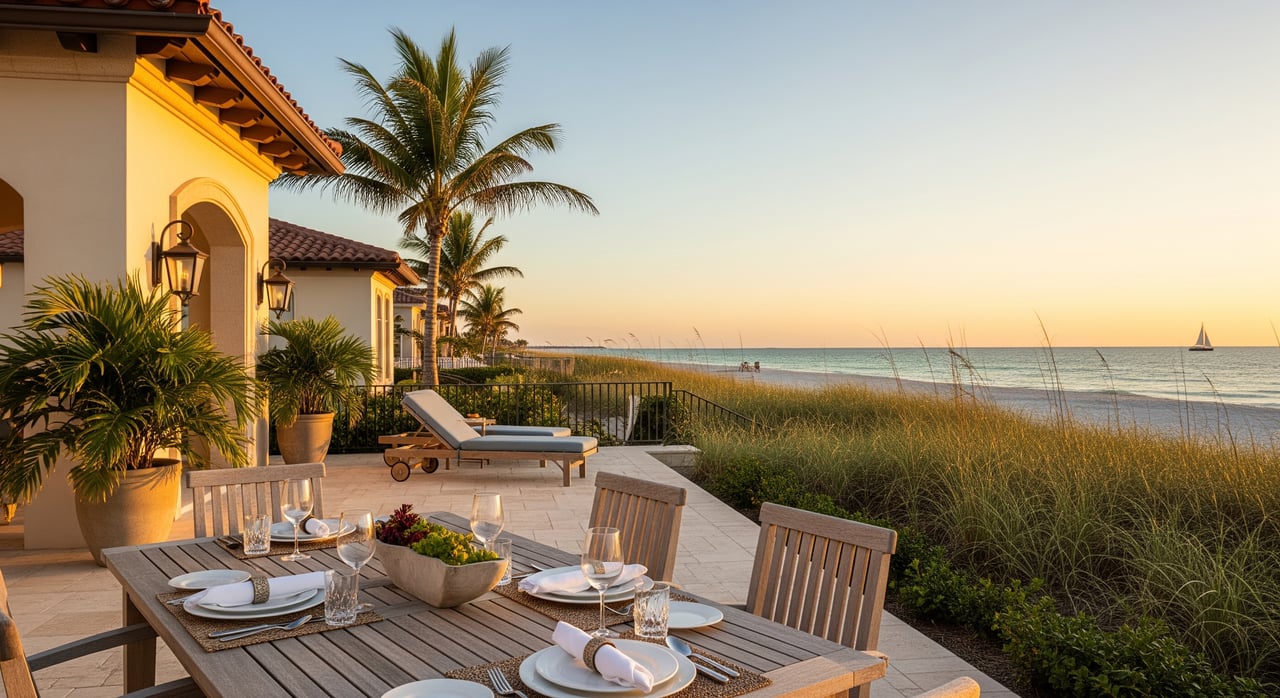
If your dream is to wake up to Gulf views, walk the sand daily, and keep life simple with on‑site amenities, beachfront delivers. Most gulf‑front options on Marco Island are condo buildings along Marco Beach, Tigertail, and within private communities like Hideaway Beach. Buildings focus on views, resort‑style pools, fitness rooms, and secure access to the beach. A few single‑family opportunities exist in gated beachfront enclaves, but they are limited.
For private beachfront living within a gated setting, Hideaway Beach is a key example. You can explore the area through the Hideaway Beach neighborhood snapshot.
Prices and what drives them
Marco Island’s citywide median home price has been shown around 999,000 dollars in recent snapshots. Neighborhoods closer to the Gulf often sit higher due to views and amenities, with gulf‑oriented areas like Marco Beach appearing near the low 1 million range in market summaries. You can review current figures in the Marco Island market overview.
Key beachfront value drivers include:
- Direct Gulf frontage and unobstructed views.
- Building age, recent improvements, wind‑mitigation features, and assessment history.
- Amenity set and staffing level.
- Floor height and orientation within the stack.
HOA and recurring costs
With condos, association fees cover common‑area insurance, reserves, exterior maintenance, elevators, and amenities. Dues vary by building and services. To see how fees are presented on an active listing, view this representative Marco Island condo listing. Always review the building’s budget, reserves, recent assessments, and insurance certificates before you commit.
Beachfront rentals and rules
Many beachfront associations set minimum rental periods and limit rental frequency. In Florida, condominium associations manage restrictions under state law. You can read the governing framework in Florida Statutes Chapter 718.110. If you aim to rent short term, you must also follow state vacation rental licensing and local tax collection. The Florida DBPR outlines licensing steps in its vacation rental guide, and Collier County explains the tourist development tax on its tourism tax page.
Canal and bayfront homes
What canal and bayfront offer
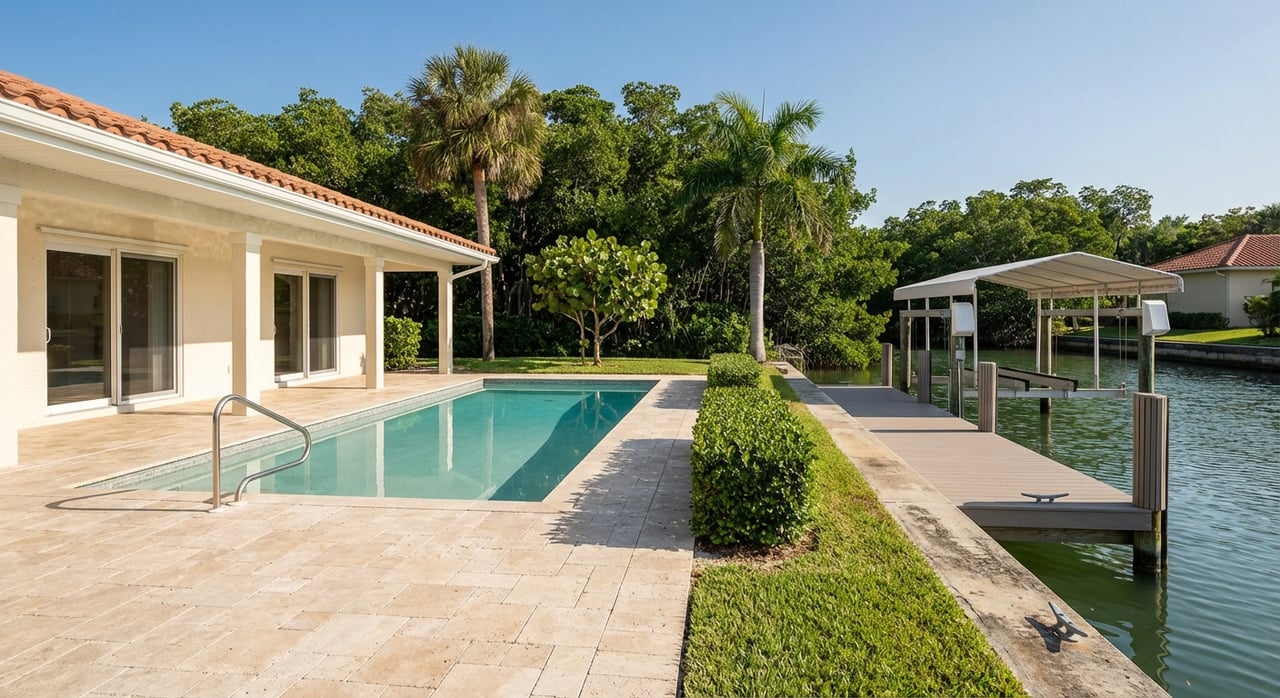
If boating and private dockage are your priorities, canal and bayfront properties line Marco’s canals, Roberts Bay, Collier Bay, and the Marco River. Many homes have lifts for center consoles, pontoons, or fishing boats. Some areas are described as water‑direct, meaning there are no low bridges between your dock and the open Gulf, which is helpful for taller boats. Other canals have fixed bridges, so you will want to verify bridge clearance and controlling channel depths for your exact boat.
Local marinas provide an alternative or backup to a private dock. Facilities in and around Marco offer fuel, slips, and service that help you reach the Ten Thousand Islands through Big Marco or Caxambas Pass. For an overview of area waterways and marina context, see this guide to Marco’s bays and boating access.
Prices and what drives them
Water‑direct single‑family homes with private docks often start in the low‑to‑mid seven figures and climb into multiple millions for larger estate lots or wide‑open bay views. Narrower or shallower canals are typically more affordable. Market roundups of Marco Island show many water‑direct ranges from about 1 million to well above 6 million depending on lot size, depth, view, and location. You can review local pricing context in Marco Island market news summaries.
Key canal and bayfront value drivers include:
- Dock size, lift capacity, and water depth at the slip.
- Water‑direct access versus bridge‑restricted routes.
- Lot width, seawall length, and privacy.
- Exposure to wake and boat traffic.
Ownership, seawalls, and upkeep
Many canal neighborhoods have modest HOA dues or no HOA at all. Owners are usually responsible for their seawall, dock, and boat lift maintenance. Marine work on seawalls and docks typically requires permits through Collier County. You can see permit application details on the county’s PRMAR page: Collier County marine permit requirements.
Seawalls have a lifecycle, and replacement or major repairs can be a significant project. Build into your budget the possibility of seawall or dock work over time. Before you buy, request the seller’s most recent seawall inspection and any permit history for dock or lift additions.
Boating pace and local rules
Interior canals and sea‑walled shorelines around Marco Island include extensive idle‑speed and no‑wake zones. Plan for slower transits through interior waters, then faster runs once you reach approved areas near the passes. Confirm current local rules as part of your boat‑use planning.
Flood, elevation, and insurance
Much of Marco Island lies within FEMA Special Flood Hazard Areas. Flood and wind insurance are key recurring costs for both gulf‑front condos and canal homes, especially at lower elevations. Before you write an offer, verify the property’s flood zone and request an elevation certificate. You can learn about local floodplain management on the City of Marco Island floodplain page.
Ask your lender and insurance agent to quote both flood and wind policies during inspection. If you are considering a condo, review the building’s master insurance and any recent changes in premiums or deductibles.
Rentals and investment: what to know
Licensing and taxes
If you plan to rent short term, you must follow a layered compliance path. Most associations govern rental frequency and minimum stay length in their documents. Florida also requires a state vacation rental license for units rented more than three times a year for stays under 30 days. Start with the DBPR vacation rental guide. For taxes, guests typically pay state sales tax plus Collier County’s tourist development tax on stays of six months or less. See the county’s overview on the tourism tax page.
Performance and tradeoffs
Marco Island’s rental demand is strongly seasonal, with high winter and early spring activity and softer late summer periods. Beachfront condos are easy to market thanks to walkable beach access and on‑site amenities, but higher HOA dues and stricter rental minimums can affect net yield. Canal and bayfront homes often attract boaters and multigenerational groups, which can support premium nightly rates, but owners assume seawall, dock, and lift upkeep, and some HOAs limit rentals.
Whichever you choose, confirm association rental rules and obtain your state license and tax registrations before listing a property for rent.
Quick matching guide
Use this short checklist to narrow your search:
- You want daily sand walks, Gulf views, and on‑site amenities: start with gulf‑front condos or private beachfront options like Hideaway Beach. Expect higher per‑square‑foot pricing and higher condo dues. Review current figures in the Marco Island market overview.
- You want a private dock and fast access to the Ten Thousand Islands: focus on water‑direct canal and bayfront homes. Verify slip dimensions, water depth, and any bridge clearances along your route. For marina support and waterway context, see the Marco bays and boating access guide.
- You want rental income: compare a condo’s marketing appeal and amenities against a canal home’s boater demand. Always confirm HOA rules, then follow the DBPR licensing steps and the county’s tourism tax requirements.
How to evaluate a specific property
For beachfront condos
- Review the association’s budget, reserve studies, insurance certificates, and any special assessments in the past five years.
- Study building age, recent structural work, and wind‑mitigation features.
- Confirm rental minimums and allowed frequency under Florida condominium rules, then match that against your plan.
- Use a representative listing to understand how dues bundle services, like this Marco Island condo example.
For canal and bayfront homes
- Measure your boat’s height and draft. Verify controlling depths and bridge clearances for the planned route.
- Inspect the dock, lift, and seawall. Ask for recent seawall inspection reports and photos.
- Pull the property’s marine permit history and contractor details through Collier County’s PRMAR program: marine permit requirements.
- Obtain the elevation certificate and confirm the FEMA flood zone on the city’s floodplain page. Ask your insurance agent for a preliminary quote.
Beachfront vs canal: a quick side‑by‑side
- Lifestyle: Beachfront is immediate sand, sunsets, and elevator‑to‑amenities living. Canal and bayfront put the boat at your back door and the Ten Thousand Islands within reach.
- Costs: Condo dues are higher but cover building insurance and shared services. Canal homes often have lower or no HOA dues, but you handle seawall, dock, and lift upkeep.
- Boating: Beachfront living relies on marina storage or dry rack if you boat. Canal homes offer private docks; water‑direct routes avoid low bridges.
- Rentals: Many beachfront condos have longer rental minimums. Canal homes can suit families and boaters but must follow HOA rules, state licensing, and county tax collection.
Your next step
Choosing between beachfront and canal living is about how you want to spend your days. If you want sunrise beach walks and simple, amenity‑rich living, start with gulf‑front condos and private beachfront communities. If you want lines off the stern at sunrise and quick runs to Caxambas Pass, focus on water‑direct canal and bayfront homes.
For a tailored shortlist that fits your lifestyle and budget, connect with a local advisor who knows the buildings, canals, and permit history. Reach out to Jason Armstead to compare neighborhoods, refine your search, and move forward with confidence.
FAQs
What should I budget for beachfront condo dues on Marco Island?
- Dues vary by building and services. Review the budget and a recent listing for context, such as this representative Marco Island condo example.
Are Marco Island canal homes all bridge‑free for Gulf access?
- No. Some neighborhoods are water‑direct with no low bridges, while others have fixed bridges that limit mast height. Always verify bridge clearance and controlling depths for your route.
Do I need flood insurance for waterfront property on Marco Island?
- Many properties lie in FEMA Special Flood Hazard Areas. Ask for the elevation certificate and confirm the flood zone using the city’s floodplain guidance.
Can I short‑term rent a beachfront condo on Marco Island?
- Often, but association rules control minimum stays and rental frequency. Review condo documents and Florida’s condominium rules in Chapter 718.110, then follow DBPR licensing steps.
Who handles seawall and dock repairs for canal homes?
- Owners typically handle their own seawall, dock, and lift maintenance. Most marine work requires county permits through PRMAR. See Collier County’s marine permit requirements.