Picture this: your morning starts with a quiet beach walk, and your evening ends with a Gulf sunset and fresh seafood. If you are exploring a move to Naples, you probably want more than pretty postcards. You want to know how life really feels season to season, where you will eat and shop, and how your days flow. This guide gives you a clear, local view of beaches, dining, culture, neighborhoods, and the practical details that shape daily life. Let’s dive in.
Naples at a glance
Naples sits on Florida’s Gulf Coast in Collier County with a strong mix of retirees, seasonal residents, and year‑round families. The climate brings hot, humid summers with a wet season and warm, drier winters. High season runs roughly November through April, when crowds, events, and reservation demand increase. Hurricane season runs June through November, so preparedness and insurance are part of the conversation for homeowners.
Beaches and waterfront
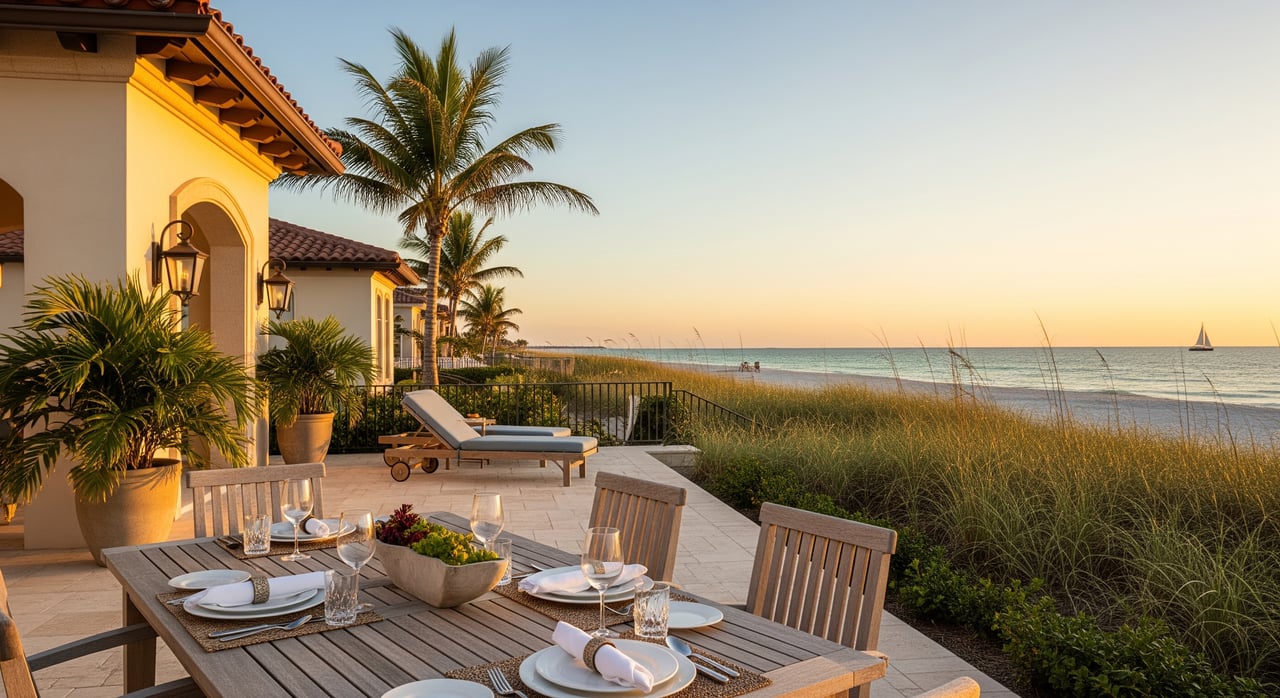
You have easy access to sugar‑sand beaches with gentle Gulf surf. Popular spots include Naples City Beach near the Pier, Lowdermilk Park, Clam Pass Park, Vanderbilt Beach, and the protected shoreline at Delnor‑Wiggins Pass State Park. Expect lifeguards in key parks during peak periods and more crowds in high season. For quieter visits, go early, choose weekdays, and check parking before you go.
Boating and marinas
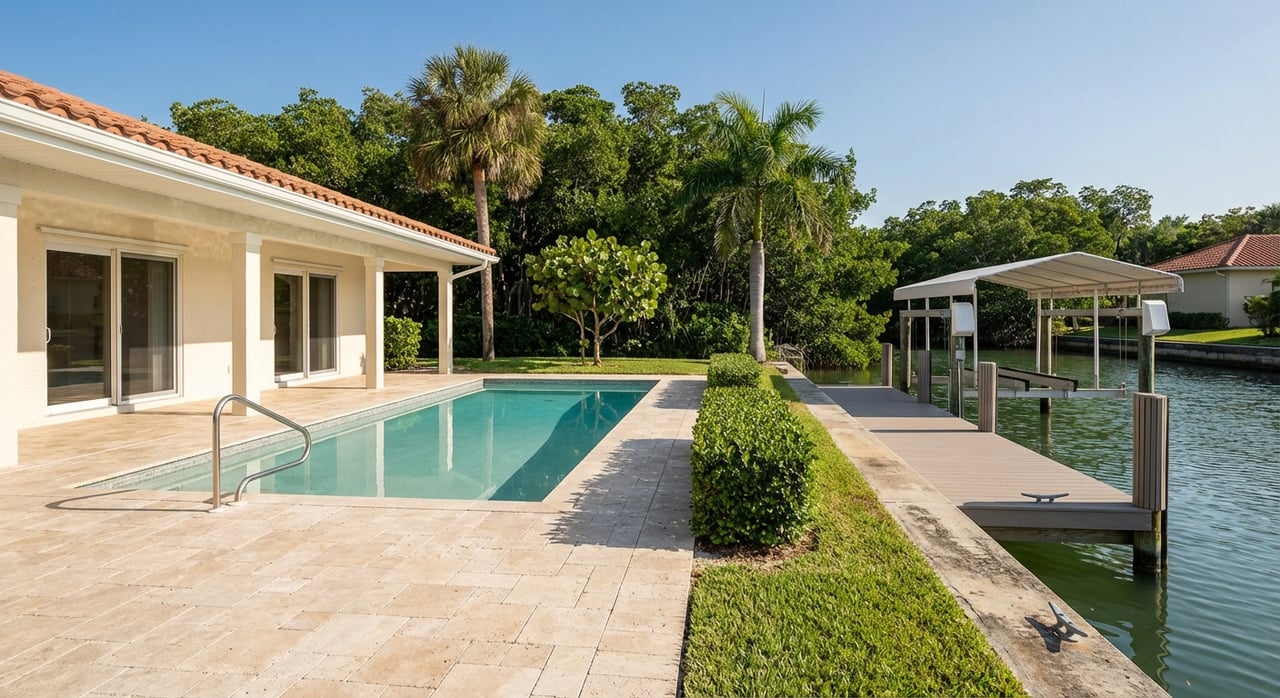
Naples is a true boating hub with canals, bays, and direct Gulf access. You will find municipal docks around the downtown and Tin City area, plus private marinas and yacht clubs that serve both seasonal and year‑round boaters. Plan for tides, bridge clearances, and a hurricane mooring strategy if you own a boat. For storm planning guidance and local updates, use the Florida Division of Emergency Management.
Parks and wildlife
Beyond the beach, you can explore boardwalks, mangrove tunnels, and inland preserves. Rookery Bay offers paddle routes and birding, while Corkscrew Swamp Sanctuary is known for cypress boardwalks and wildlife. Manatees and dolphins show up in inshore waters, and you may spot shorebirds all year. Respect posted rules about protected habitats and no‑wake zones.
Golf and club life
Naples is one of Florida’s premier golf markets. You will find public, semi‑private, and private courses, along with planned communities that wrap daily life around the course. Club culture is a draw for many residents, from golf and tennis to pickleball and social events.
Dining districts
Downtown shines with two core dining streets: 3rd Street South and 5th Avenue South. You will find seafood, Italian, and contemporary American spots that range from casual to fine dining. North of downtown, Mercato blends restaurants, retail, and nightlife popular with both locals and seasonal visitors. Prices tend to run higher than many Florida markets, especially in high season, so book in advance for top tables and consider early dining for easier seating.
Arts and seasonal events
Naples has a packed cultural calendar, especially in winter. The flagship institution is Artis—Naples, home to the Naples Philharmonic and The Baker Museum. You can catch touring artists, concerts, and exhibitions, with more choices from January through March. For broader event listings and visitor tips, the area’s tourism site, Naples, Marco Island, Everglades, is a helpful planner.
Shopping and daily errands
Boutiques cluster along 5th Avenue South and 3rd Street South, while Waterside Shops and Mercato bring larger brand names and services. Most neighborhoods have convenient access to grocery stores and pharmacies. Specialty food and luxury retail concentrate in the downtown and major centers.
Neighborhood vibes
- Old Naples and Aqualane Shores: walkable, close to the beach and downtown dining, with historic character and boutique retail.
- Vanderbilt Beach and Naples Park: a mix of condos and homes near resort corridors, popular with seasonal renters.
- Pelican Bay and Port Royal: amenity‑rich, high‑end communities that may include private beach access depending on the association.
- North Naples, Lely, and Golden Gate: suburban options with a broad range of housing types and newer developments.
- East Naples and the Immokalee Road corridor: more attainable price points in some areas, with services along major roads.
Your tradeoff is usually proximity and walkability near the beach versus more space and value inland. HOA rules and short‑term rental policies vary by community, so review those early if you plan to rent seasonally.
Getting around
Outside of downtown and Old Naples, daily life is car‑centric. I‑75 is the main regional route, with heavier traffic in high season and around shopping and beach corridors. Public bus service is available through Collier Area Transit (CAT), though coverage is limited compared with larger cities. For air travel, Southwest Florida International Airport serves the region; check RSW airport information for flight and parking details.
Schools and learning
Public schools are served by Collier County Public Schools, and there are several private options. School quality varies by zone and program, and enrollment can be competitive in certain areas. Before you choose a neighborhood, review attendance zones and capacities through Collier County Public Schools.
Healthcare access
You have multiple care options locally, including the NCH Healthcare System and Physicians Regional Medical Center. Primary care and many specialties are available in Naples, while some residents travel to larger metros for highly specialized care.
Seasonality and daily rhythm
From November through April, you will feel the buzz. Restaurants book out, marinas fill, and cultural calendars overflow. In late summer and early fall, the pace eases, parking gets simpler, and some businesses shorten hours. Plan ahead in winter and enjoy flexibility in summer.
Costs and practicalities
Home prices in Naples tend to be above the Florida average, and inventory can tighten in high season. For current market trends and local data, review the Naples Area Board of REALTORS® resources and market reports. Florida has no state income tax, and property taxes vary by assessed value and exemptions. You can look up parcel information and millage rates with the Collier County Property Appraiser.
If you are near the water or in low‑lying areas, expect flood and hurricane risk to influence insurance needs. Many communities have HOA bylaws and short‑term rental rules that affect leasing options. If you plan to own a boat, factor in dockage, storage, and storm planning using guidance from the Florida Division of Emergency Management.
A day in the life
- High season weekday: Sunrise beach walk at Lowdermilk, mid‑morning errands, early lunch downtown, a quick round of afternoon golf or a paddle in the mangroves, then a sunset stroll on the Pier and dinner on 5th Avenue South.
- Off‑season Saturday: Breakfast near Vanderbilt Beach, a few hours on the sand, casual late lunch, a museum visit or matinee, and an easy dinner at a neighborhood spot without a reservation.
Is Naples a fit for you?
If you want beaches, boating, dining, and a strong arts scene, Naples brings it together with a relaxed Gulf pace. Your ideal neighborhood depends on how you picture your days, from walkable beach mornings to club‑oriented evenings or family‑friendly suburbs with easy errands. When you are ready to map lifestyle to location, connect for tailored guidance, neighborhood tours, and a clear plan from first visit to closing.
Curious where to start? Reach out to Jason Armstead for a concierge, neighborhood‑first approach to buying or selling in Naples.
FAQs
What is the weather like in Naples and when is hurricane season?
- Naples has hot, humid summers with a wet season and warm, drier winters. Hurricane season runs June through November, so review state guidance through the Florida Division of Emergency Management.
How crowded are Naples beaches and restaurants in winter?
- From November through April, expect fuller parking lots and booked dining rooms; go early, choose weekdays, and make reservations for popular spots.
What are the main transportation options in Naples?
- Most residents drive; public buses operate via Collier Area Transit and air travel is through Southwest Florida International Airport, about 30 to 60 minutes away depending on traffic and origin.
How do schools work if I move to Naples with kids?
- School zones determine many public placements; verify attendance maps, programs, and capacities with Collier County Public Schools and ask about waitlists for private options.
How do home prices and taxes compare in Naples?
- Naples generally runs higher than the Florida average; track trends through the Naples Area Board of REALTORS® and review parcel‑specific taxes with the Collier County Property Appraiser.
What should new boat owners know about Gulf access in Naples?
- Check bridge clearances, tides, and channel markers, compare marina vs private dock options, and create a hurricane plan following state guidance at the Florida Division of Emergency Management.
Where can I find arts and culture in Naples?
- Start with Artis—Naples for concerts and exhibitions and use the region’s tourism site, Naples, Marco Island, Everglades, for seasonal festivals and events.