If you own a vacation home on Marco Island, selling it is rarely as simple as putting a sign in the yard and waiting for the right buyer. Second-home properties often need a different level of prep, especially in a coastal market where buyers compare lifestyle, condition, and convenience very closely. The good news is that with the right timing, smart preparation, and a clear plan, you can make your property stand out and move into the market with confidence. Let’s dive in.
Time Your Sale Around Marco Island Seasonality
Marco Island has a very clear seasonal rhythm, and that matters when you sell. The City of Marco Island reports a permanent population of 16,521, but that number rises to about 40,000 during the winter season. That winter influx can mean more eyes on listings, more showing activity, and stronger interest from second-home buyers.
Weather also plays a practical role in your timeline. The city says most rainfall falls from June through October, and NOAA places Atlantic hurricane season from June 1 through November 30. For many sellers, that makes it wise to complete exterior work, photography, and listing prep before the wetter and stormier stretch of the year.
Recent market data supports a careful, prepare-first approach. Redfin reports a median sale price of $1,025,949 for the three months ending May 2026, with homes averaging 101 days on market and a 94.0% sale-to-list ratio. Realtor.com also describes Marco Island as a balanced market with a median listing price of $925K and a median of 100 days to sell, which suggests buyers have options and notice condition quickly.
What that means for you
If your home is used seasonally, try to think several months ahead. You may want to schedule repairs, decluttering, deep cleaning, and staging while the home is still easy to access and before weather delays become more likely. A polished launch during the winter demand window can help your home compete more effectively.
Shift From Vacation Mode to Showing Mode
A vacation home often feels personal, relaxed, and ready for guests. Buyers, however, need to picture their own life in the property. That means your goal is to make the home feel clean, calm, and easy to imagine living in.
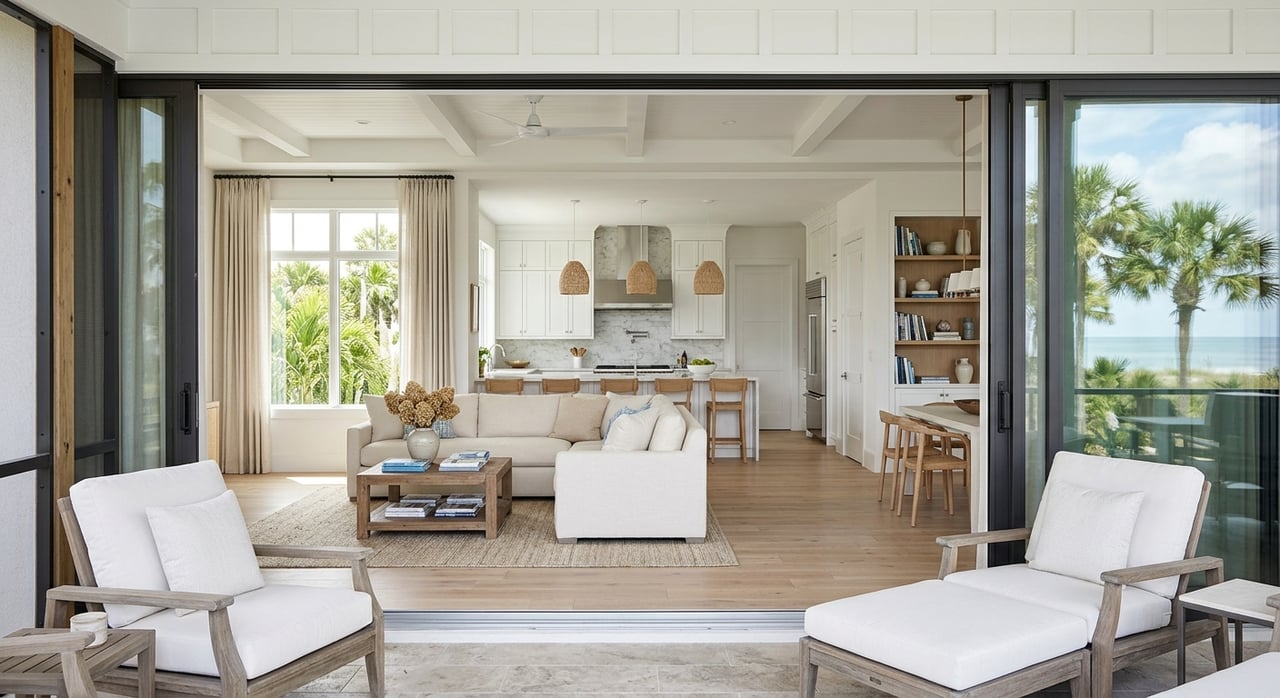
The 2025 NAR staging report found that 83% of buyers’ agents said staging made it easier for buyers to visualize a property as a future home. The same report found that photos, traditional physical staging, videos, and virtual tours are important listing tools. For a furnished Marco Island home, that makes simple, neutral presentation especially important.
Focus on the rooms that matter most
If you do not want to stage every room, start where buyers tend to focus first. NAR identified these rooms as the most important to stage:
- Living room
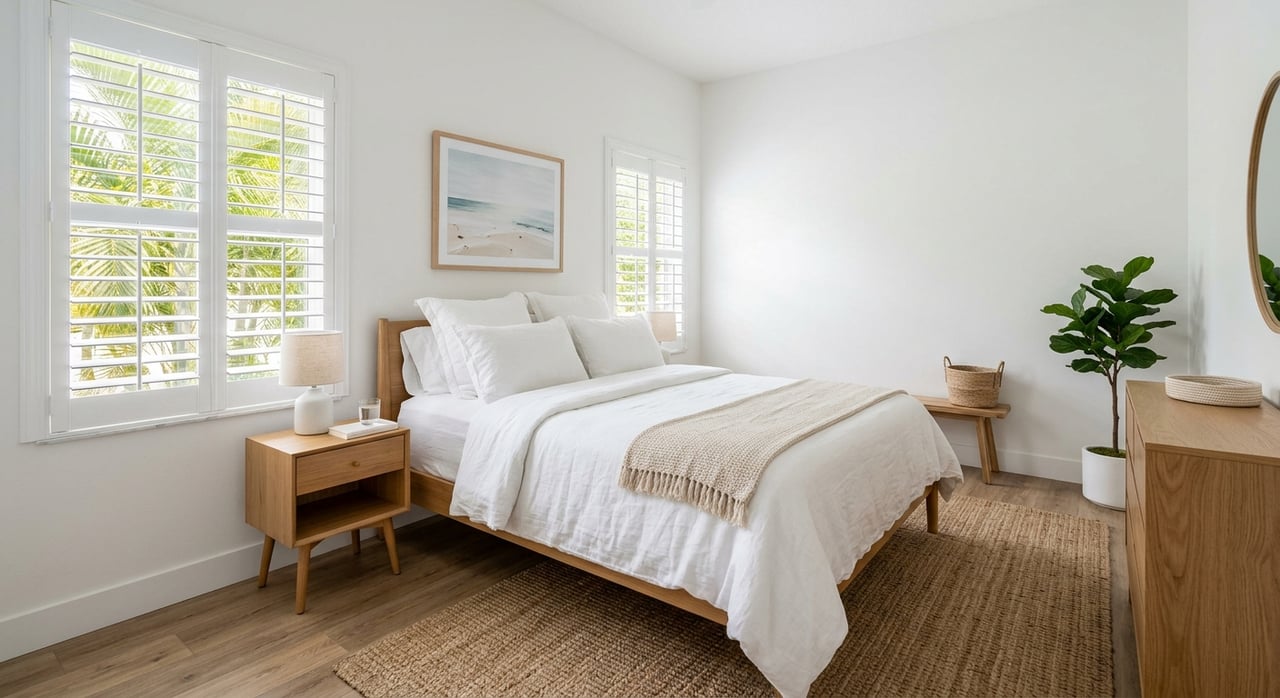
- Primary bedroom
- Kitchen
These areas often shape the buyer’s first impression of the home’s comfort, function, and overall care. On Marco Island, they also tend to appear prominently in online photos, where many second-home shoppers begin their search.
Easy ways to neutralize a vacation property
You do not need to strip all personality from the home. You just want to reduce distractions and create a move-in-ready feel.
Consider these steps:
- Clear off crowded counters and tabletops
- Remove overly themed coastal décor
- Store extra personal items and duplicate furniture
- Refresh bedding and towels with light, simple colors
- Open blinds and curtains for natural light
- Make sure every room has a clear purpose
If your property is turnkey furnished, a simplified setup can help buyers see the value of that convenience without feeling like they are stepping into someone else’s temporary retreat.
Handle Repairs Before Buyers Notice Them
Vacation homes sometimes sit empty between visits, which makes it easy for small issues to go unnoticed. A dripping faucet, sticky slider, stained ceiling, or humid smell may not seem major to you, but buyers often treat small maintenance issues as signs of larger risk.
A pre-list inspection can be helpful here. NAR notes that sellers may choose an inspection before listing so they can get more information upfront, control repairs, and prepare for buyer questions. For a Marco Island vacation home, that can be especially useful if the property has had stretches of light use or limited oversight.
Prioritize common pre-list fixes
Before photos and showings, it may help to review:
- HVAC performance and service records
- Plumbing leaks or slow drains
- Window and sliding door operation
- Ceiling stains or signs of prior moisture
- Pool, lanai, and exterior screen condition
- Dock, driveway, and landscaping upkeep
The goal is not to over-renovate. It is to remove avoidable objections and show buyers that the home has been cared for consistently.
Build a Ready-to-Show Records File
One of the smartest things you can do before listing is gather your paperwork early. Buyers often feel more comfortable when a seller can quickly answer questions about updates, repairs, and past issues. For a second-home owner, this step is even more useful if records are spread across service providers, seasons, or years.
IRS Publication 523 says home-sale records should document adjusted basis and generally be kept until three years after the due date for the return in the year you sell. It also distinguishes true improvements from routine maintenance. In simple terms, improvements are items that add value, prolong the life of the property, or adapt it to new uses.
Documents worth gathering now
Try to assemble a file with:
- Improvement receipts and contractor invoices
- Permits and final approvals, if applicable
- Appliance and system warranties
- Roof, air conditioning, pool, and landscaping records
- Service logs for seasonal maintenance
- Storm-repair paperwork and insurance documents
- Flood-related records
For Marco Island sellers, flood and storm records deserve extra attention. Florida’s flood-disclosure law requires a seller to provide a flood disclosure at or before contract execution, including whether the seller knows of flood damage, filed flood claims, or received FEMA assistance. Having those documents ready early can make listing prep smoother and help you respond clearly when questions come up.
Understand Florida Disclosure Requirements
Selling a property as-is does not remove your disclosure responsibilities. It only means you are not promising to make repairs. Buyers still expect transparency, and Florida law still requires certain disclosures.
That is especially important for vacation-home owners who may not have sold property in Florida recently. If you have owned the home for years, now is a good time to review what information will need to be shared during the transaction.
Key Florida disclosures to prepare for
Based on the research provided, Marco Island sellers should be ready for these items:
- Flood disclosure: Florida requires a flood disclosure at or before contract execution.
- Property tax disclosure summary: Florida law warns buyers not to rely on the seller’s current taxes because a sale or improvements can trigger reassessment.
- Sanitary sewer lateral disclosure: Florida requires disclosure of known sanitary sewer lateral defects.
If your property was built before 1978, there is another important step. Federal lead-based paint disclosure rules require sellers of most pre-1978 housing to disclose known lead-based paint information, provide available records, and give the buyer a 10-day opportunity for inspection or risk assessment.
As-is still means disclose
This point matters enough to repeat: an as-is sale is not a pass on paperwork. If you know about prior flood damage, sewer-lateral issues, or other required disclosure items, they still need to be handled properly. Organizing this information before you list can reduce stress later and help avoid delays once a buyer is ready to move forward.
Highlight the Marco Island Lifestyle
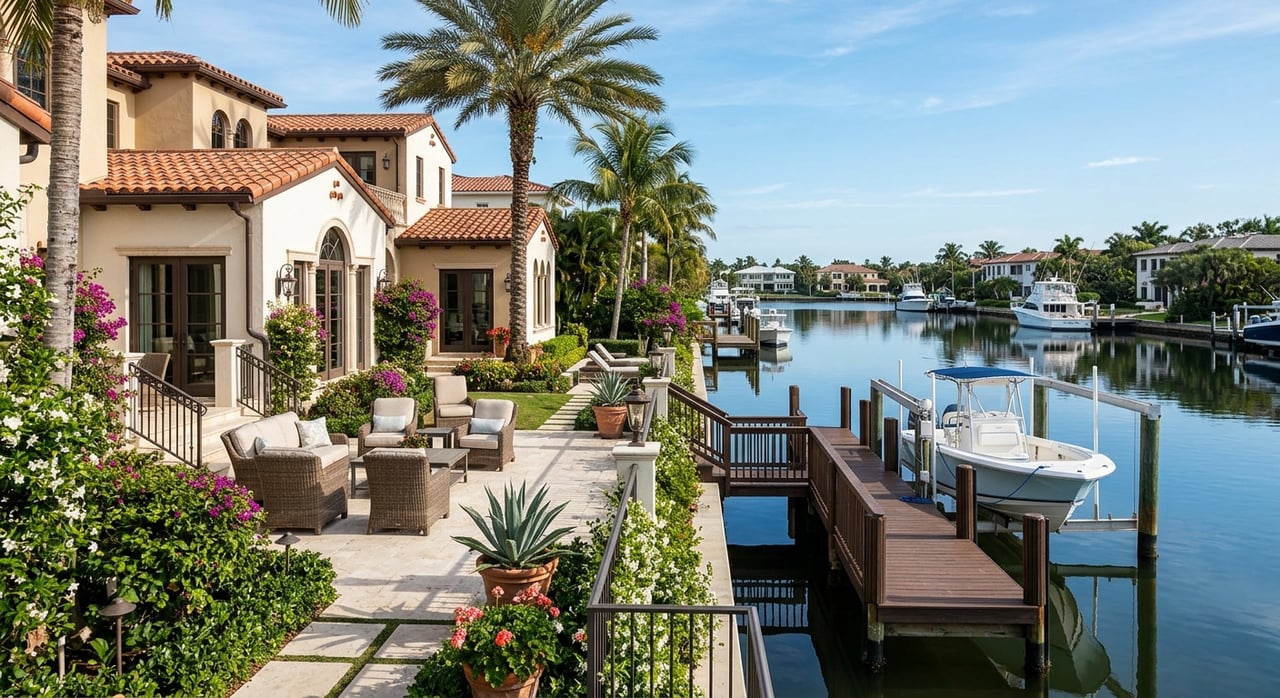
Buyers shopping for a vacation home on Marco Island are often buying more than square footage. They are also buying access to the water, beach days, outdoor living, and the ease of getting away to Southwest Florida. Your marketing should reflect that.
The City of Marco Island describes the area as a beach and canal community centered on water-related activities. That gives you a strong framework for deciding what features and photos deserve extra attention in your listing package.
Lifestyle details worth showcasing
Depending on the property, these may be major selling points:
- Lanai and pool setup
- Canal or waterfront positioning
- Dockage and boat access
- Outdoor dining or lounge space
- Gulf access potential
- Lock-and-leave convenience for seasonal use
Marco Island also offers strong local lifestyle references that can support your home’s positioning. The city says South Marco Beach includes 70 parking spaces and restroom access, while Tigertail Beach offers a bathhouse, boardwalks, restrooms, a concession with rentals, a beach wheelchair, and 226 regular parking spaces. For boaters, Caxambas Pass Park & Marina provides public access with parking, concessions, fuel, fishing gear, and boating access to the Ten Thousand Islands and Gulf.
For some buyers, travel convenience matters too. Collier County says Marco Island Executive Airport provides service for tourists, clients, and residents flying privately into Southwest Florida. If your likely buyer is a second-home owner, that ease of access can be part of the property story.
Prepare Marketing That Matches the Buyer
Many Marco Island vacation-home buyers begin online, often from outside the immediate area. That means your home’s first showing may happen through photos, video, or a virtual tour before an in-person visit is ever scheduled.
Because NAR found that buyers’ agents view photos, videos, virtual tours, and physical staging as important listing tools, your marketing should be treated as part of the prep process, not an afterthought. In a balanced market, strong presentation helps buyers understand the value of your home faster.
Before photos are scheduled
Make sure the property is ready to present these features clearly:
- Bright, uncluttered living areas
- Clean kitchen surfaces and updated finishes
- Comfortable, restful bedroom presentation
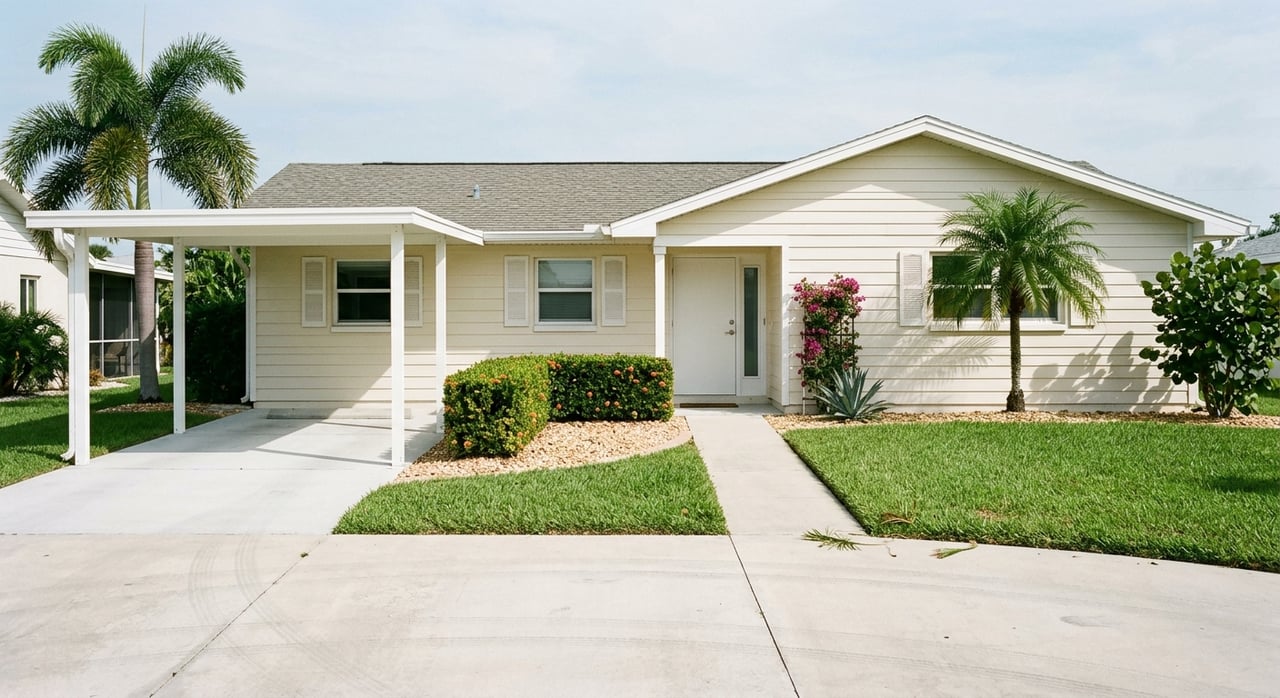
- Tidy outdoor areas and curb appeal
- Pool, lanai, dock, or water views, if applicable
On Marco Island, outdoor-living images can be just as important as interior shots. If your home has a canal view, screened lanai, or boat-friendly setup, those features should feel intentional and polished in the final marketing package.
Think Like a Buyer Comparing Options
With homes taking around 100 days to sell, buyers often have time to compare one property against another. They may ask whether your home feels easy to own, well maintained, and worth the asking price. That is why clean presentation, accurate disclosures, and strong records all work together.
When your vacation home looks turnkey, feels cared for, and tells a clear ownership story, buyers tend to feel more confident. That confidence can help your property stand out in a market where lifestyle matters, but details still drive decisions.
Selling a Marco Island vacation home takes more than timing the market. It takes local perspective, thoughtful prep, and marketing that connects the property to the lifestyle buyers are actually seeking. If you want a concierge-level plan for pricing, preparation, and launch strategy, connect with Jason Armstead for a personalized home valuation and listing consultation.
FAQs
When is the best time to sell a vacation home on Marco Island?
- For many sellers, the best window is before or during the winter high-demand season, when Marco Island’s population rises significantly and buyer activity can be stronger.
What should I do before listing a Marco Island second home?
- Focus on decluttering, light staging, repairs, record gathering, and preparing the home for professional photos, especially in the living room, primary bedroom, and kitchen.
What records should I keep for selling a Marco Island vacation property?
- Keep receipts, permits, warranties, contractor invoices, service logs, storm-repair records, insurance documents, and flood-related paperwork so you can answer buyer questions more easily.
Does selling a Marco Island home as-is avoid disclosures?
- No. Florida disclosure requirements still apply, including flood disclosure, property tax disclosure summary, and known sanitary sewer lateral defects.
What if my Marco Island home was built before 1978?
- If the property was built before 1978, federal lead-based paint disclosure rules may apply, including disclosure of known information and providing available records.
What local lifestyle features help market a Marco Island vacation home?
- Beach access, boating access, canal or waterfront setting, dockage, pool and lanai space, and convenient travel access are all features that can help buyers connect with the Marco Island lifestyle.