If you are deciding between a condo and a single-family home on Marco Island, you are not just choosing a floor plan. You are choosing how you want to live on an island shaped by beaches, canals, boating access, seasonal rhythms, and flood considerations. The good news is that once you understand how ownership works here, the right fit becomes much clearer. Let’s dive in.
Why Marco Island Changes the Decision
Marco Island has its own housing logic. The city describes it as a beach-and-canal community with about six miles of beach and more than 100 miles of waterways packed into 24 square miles.
That setting affects daily life in ways buyers feel quickly. The island’s permanent population is about 16,521, but it rises to about 40,000 during peak winter season, so seasonal use, traffic patterns, and property management needs can matter more here than in many other markets.
If you are comparing condos and single-family homes, Marco Island makes the choice more specific. Beach access, boating utility, maintenance, flood exposure, and rental rules can all vary from one property to the next.
Why a Condo Appeals on Marco Island
A condo often works well if you want a simpler ownership experience. In Florida, condominium associations are responsible for common-element maintenance and for maintaining, repairing, and replacing condominium property where the declaration gives them that duty.
That setup can reduce the amount of hands-on upkeep you manage yourself. For many seasonal buyers, that is a major advantage, especially if you do not want to spend your time coordinating exterior work or building-related maintenance.
Condos can also support a more managed coastal lifestyle. Florida law allows condo associations to acquire or lease recreation-related interests such as marinas, golf courses, and other recreational facilities, which helps explain why some communities offer shared amenities instead of private land-based features.
Condo strengths to consider
- Lower day-to-day maintenance responsibility
- Easier seasonal lock-and-leave ownership
- Shared facilities may support a resort-style lifestyle
- Association may handle more building-related administration
What Condo Buyers Need to Check Carefully
A lower-maintenance lifestyle does not mean lower due diligence. On Marco Island, condo buyers should look beyond the unit and study the building and association with care.
Florida requires milestone inspections for condominium or cooperative buildings that are three habitable stories or more at age 30 and every 10 years after that. Owner-controlled associations in qualifying buildings also had to complete a structural integrity reserve study by December 31, 2025.
That means your condo decision should include questions about inspection history, reserve planning, and whether major repairs may be approaching. On a waterfront island market, those details are not background noise. They can directly affect your ownership costs and comfort level.
Ask these condo questions
- Has the building completed the required milestone inspection?
- Has the association completed the structural integrity reserve study if required?
- How strong is the association’s reserve planning?
- Are there signs of deferred maintenance?
- What insurance does the association maintain for common elements and building components?
Why a Single-Family Home Appeals on Marco Island
A single-family home usually fits buyers who want more privacy and more direct control over the property. You are not part of a shared building-maintenance structure in the same way you are with a condo.
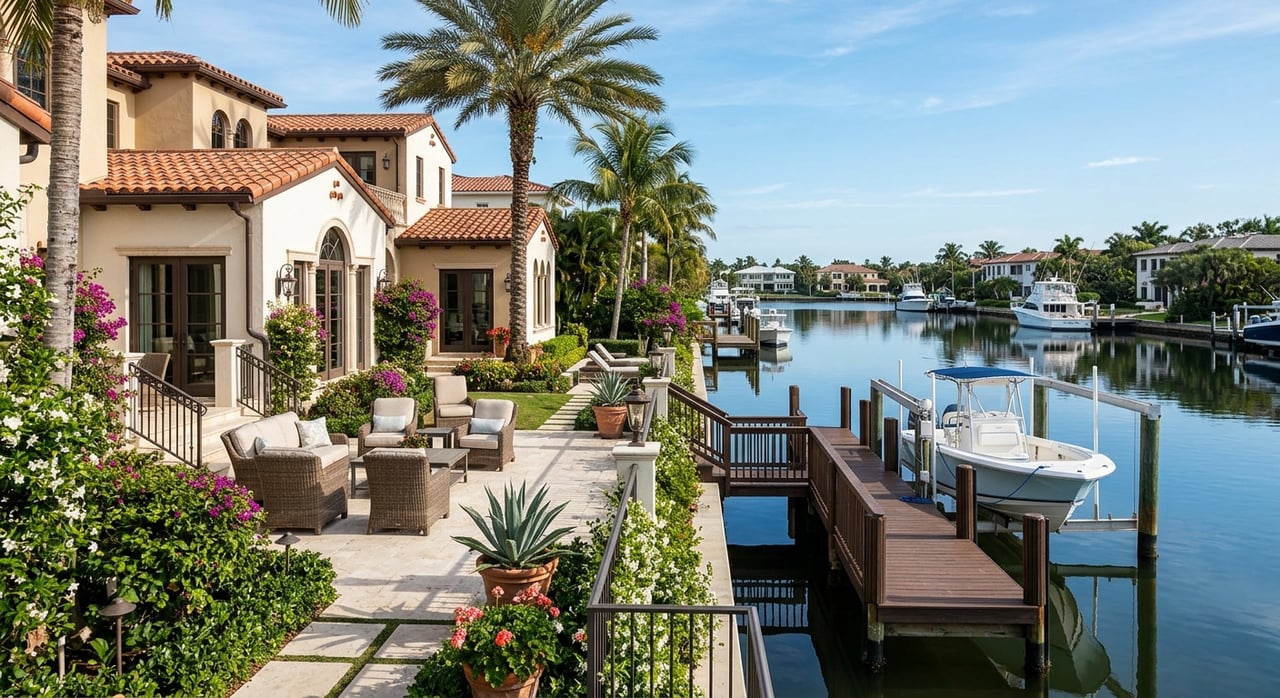
On Marco Island, that can be especially appealing if boating is central to your lifestyle. The city notes that residents can keep boats in their backyards and reach the Gulf through the canal system, which makes canal-front ownership attractive for buyers who want direct water access tied to their home.
A detached home can also give you more flexibility in how you use your outdoor space. If you want a private dock, more separation from neighbors, or a more autonomous property experience, a single-family home often lines up better with those goals.
Single-family strengths to consider
- More privacy
- More direct control over the property
- Better potential for private dock or canal access
- Strong fit for buyers who want a more independent ownership experience
What Single-Family Buyers Need to Watch
More control usually comes with more responsibility. On Marco Island, that can include attention to exterior upkeep and, on waterfront properties, practical issues tied to docks and seawalls.
The city treats docks and seawalls as core waterways issues, which makes them part of smart buyer review rather than an afterthought. If you are comparing homes on canals, those details can have a real impact on usability and future maintenance.
If the property is in a homeowners’ association, the budgeting structure may also differ from a condo. Florida law says HOA reserve accounts are optional unless the membership elects them by majority vote, which is more flexible than the condo reserve framework.
Ask these single-family questions
- What condition are the dock and seawall in, if applicable?
- Is the home in an HOA, and how are reserves handled?
- What exterior upkeep will you manage directly?
- If waterfront, how usable is the boating access in practice?
Boating Access Is Not All the Same
On Marco Island, waterfront does not always mean equal boating convenience. The city warns that many routes require passing under one, two, or even three bridges before reaching the Marco River or the Gulf of Mexico.
That makes bridge clearance and canal location a big part of the property decision. Two homes can both be labeled waterfront but offer very different real-world access depending on bridges, canal alignment, and your boat’s needs.
If boating matters to you, this should be one of the first things you verify. A property’s boating value is not just about having water behind the home. It is about how easily you can use it.
Beach Access and Daily Lifestyle
Beach access is also more local than many buyers expect. Marco Island offers resident passes for Residents Beach and Sarazen Park South Beach, while South Marco Beach and Tigertail Beach are public access points.
That matters whether you choose a condo or a single-family home. A property that feels close to the beach on a map may deliver a different daily routine depending on access points, parking, and how you plan to use the shoreline.
Beach rules also shape ownership on the island. During sea-turtle nesting season, the city expects lights to be out or shaded by 9:00 p.m., so if beachfront or near-beach living is part of your vision, it helps to understand those local routines.
Flood Risk Matters for Both Choices
Flood exposure is not a side issue on Marco Island. The city states that every property on the island is in, on, or near a Special Flood Hazard Area, with Zones AE and VE applying on the island.
The city also notes that mandatory flood insurance applies in the Special Flood Hazard Area. Whether you are leaning toward a condo or a single-family home, flood zone, insurance cost, and the building or property’s overall flood profile should be part of your comparison from the start.
This is one reason the cheapest option on paper may not be the best long-term fit. Ownership costs on Marco Island should always be viewed through the lens of insurance, flood exposure, and building or property condition.
Seasonal Use and Rental Plans
Many buyers on Marco Island are thinking about seasonal use, future flexibility, or rental potential. Florida law says a local government may not prohibit vacation rentals or regulate the duration or frequency of vacation-rental stays, and the state’s vacation-rental definition includes both condominium units and individually owned single-family houses.
Still, that does not mean every property is equally rental-friendly. Marco Island’s owner information page notes that the city council nullified its 2022 vacation-rental registration ordinance in 2023, which is a useful reminder that local rules and enforcement priorities can change.
For that reason, you should verify what the current condo or HOA documents allow before you buy. If seasonal use or renting matters to you, the better question is not whether rentals exist in theory. It is what this specific property allows today.
Which Option Fits You Best?
A condo usually makes more sense if you want lower day-to-day upkeep, easier seasonal ownership, and a shared-amenity lifestyle. It can be a strong fit if you prefer a more managed experience and are comfortable reviewing association finances and building history.
A single-family home usually makes more sense if you want more privacy, more direct control, and the strongest chance at private canal or dock access. It often fits buyers who want boating utility tied directly to the property and who do not mind taking on more upkeep.
On Marco Island, the best choice often comes down to one question: do you want a managed coastal lifestyle or a more autonomous waterfront property? Once you answer that clearly, your search gets a lot easier.
If you want help comparing condo communities, canal-front homes, or seasonal-use options on Marco Island, Jason Armstead offers a concierge-style approach grounded in local market knowledge and practical guidance.
FAQs
What is the main difference between a condo and single-family home on Marco Island?
- A condo usually offers lower day-to-day maintenance and more association involvement, while a single-family home usually offers more privacy, more direct control, and better potential for private dock or canal access.
What should condo buyers on Marco Island verify before buying?
- You should confirm milestone inspection status, structural integrity reserve study status if required, reserve planning, signs of deferred maintenance, association insurance responsibilities, and current community rules.
What should single-family home buyers on Marco Island review carefully?
- You should review flood exposure, insurance costs, boating access, bridge clearance, dock and seawall condition if applicable, and whether the property is subject to HOA rules.
Does every waterfront property on Marco Island offer the same boating access?
- No. The city says many routes require passing under one, two, or even three bridges before reaching the Marco River or the Gulf, so canal location and bridge clearance can make a big difference.
Is flood insurance important for condos and homes on Marco Island?
- Yes. The city states that every property on Marco Island is in, on, or near a Special Flood Hazard Area, and mandatory flood insurance applies in the SFHA.
Can you rent out a condo or single-family home on Marco Island?
- Florida law includes both condo units and individually owned single-family houses in the vacation-rental definition, but you still need to verify the current condo or HOA rules and any local requirements that apply today.